

Which Toys and Activities Keep Toddlers Busy Without Any Screen Time?
Introduction to Developmentally Appropriate Toys Understanding Developmental...

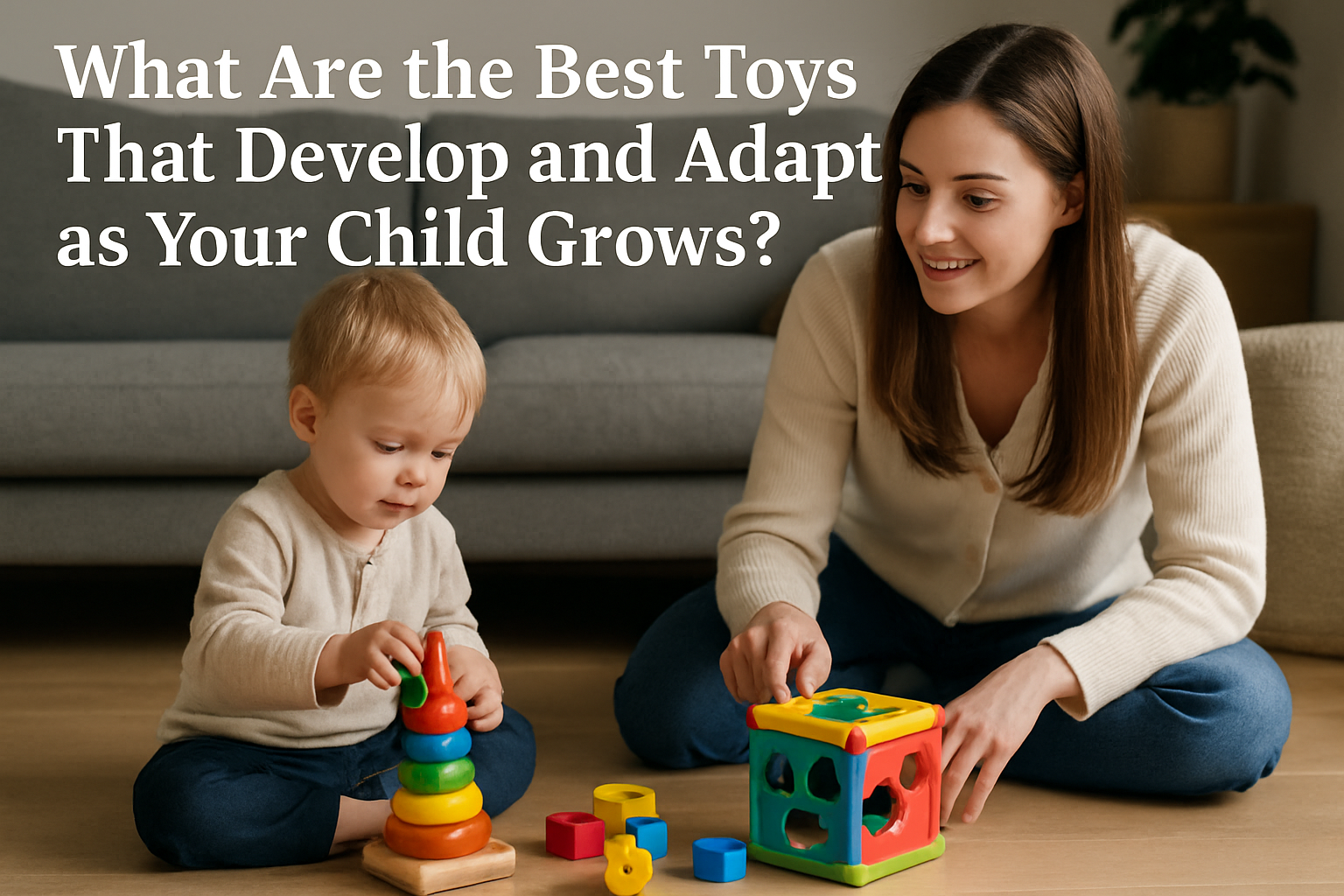

Children grow and develop rapidly during their formative years, going through distinct developmental stages that influence their learning and play. From infancy to early school age, each stage presents unique opportunities for growth that can be supported through carefully chosen toys. Understanding these developmental milestones is essential for caregivers and educators alike, as it helps guide the selection of toys that align with children’s evolving abilities and needs. During infancy, for instance, babies begin to explore the world through their senses, making toys that stimulate auditory, visual, and tactile experiences particularly beneficial. As they transition into toddlerhood, the focus shifts toward gross and fine motor skills, requiring toys that encourage movement and coordination.
Adapting toys to these developmental stages is not merely about providing entertainment. It's about fostering an environment that encourages learning and exploration. For example, a toy that is suitable for a six-month-old may not be appropriate for a two-year-old, as toddlers require more complex interactions that challenge their cognitive abilities and social skills. Thus, understanding the progression of developmental stages ensures that toys are not only safe but also engaging and educational, allowing children to gain the most benefit from their playtime.
The importance of selecting developmentally appropriate toys cannot be overstated. Toys that are tailored to children’s abilities support their natural curiosity, promote problem-solving skills, and enhance their creativity. They encourage independence as children learn to manipulate objects, explore different functions, and engage in imaginative play. Therefore, caregivers need to be well-versed in the stages of development to select toys that will grow alongside their child, nurturing their skills and interests effectively.
Developmentally appropriate toys offer a multitude of benefits that positively impact children's growth. One of the most significant advantages is the enhancement of physical skills. Toys that involve building, climbing, or manipulating enhance children's coordination and strength, fostering gross motor development. Likewise, toys that require hand-eye coordination and fine motor skills, such as puzzles or stacking blocks, can significantly aid in the growth of these crucial abilities. When children are engaged in physical play with appropriately chosen toys, they are more likely to develop a love for movement and physical activity that can last a lifetime.
In addition to physical development, these toys also promote cognitive development. Toys that challenge children to think critically, solve problems, and experiment, such as shape sorters and construction sets, provide a foundation for essential cognitive skills. They inspire curiosity and inquiry, encouraging children to ask questions, make connections, and explore new ideas and concepts. Furthermore, the cognitive engagement fosters a sense of achievement and boosts self-esteem—an essential factor in a child’s emotional development.
Finally, developmentally appropriate toys play a vital role in social and emotional growth. When children engage in play with others, they learn valuable social skills such as sharing, cooperation, and empathy. Role-playing toys provide opportunities for children to explore different roles and perspectives, helping them understand emotions and social interactions. This kind of play supports emotional expression and regulation, teaching children how to navigate their feelings and respond to those of others. As children play and interact with their peers, they develop foundational social skills that will benefit them throughout their lives.
Infants are at a critical stage of sensory development, and toys designed for this age group play an essential role in stimulating their senses. Soft toys that are plush and colorful provide comfort while also engaging infants through visual and tactile experiences. These toys often have a variety of textures that babies can explore by touch, aiding in their cognitive and sensory understanding of the world around them. As infants grasp and manipulate these soft toys, they develop hand-eye coordination, an important foundational skill as they grow.
In addition to soft toys, tactile toys designed for gripping and touching are pivotal for infants aged 0 to 12 months. These toys are often made with various materials that encourage babies to explore through touch. Different textures, sounds, and shapes attract infants’ attention, promoting their curiosity and desire to interact with their environment. As infants exercise their grip and touch capabilities, they lay the groundwork for later skills such as crawling and walking, all while being entertained and engaged.
Moreover, these toys can be designed with built-in features that cater to infants' developing motor skills. For instance, rattles and blocks are not only fun but also encourage movements that enhance dexterity and strength in small hands. By providing infants with diverse play options, caregivers can create stimulating environments that profoundly affect their growth and learning during this formative stage.
As children transition into the toddler years, their need for exploration and discovery intensifies. This is where building blocks come into play. These toys enable toddlers to develop fine motor skills while also introducing concepts of balance and spatial awareness. As toddlers stack, sort, and knock down blocks, they are honing their dexterity and learning about cause and effect through their play. This process is essential in helping toddlers understand their physical world and enhances their confidence as they create and experiment.
In addition, interactive toys that engage curiosity and encourage basic problem-solving are invaluable for toddlers. Toys that involve pressing buttons, opening doors, or moving parts stimulate cognitive development by challenging toddlers to think critically and solve simple problems. Such activities help toddlers enhance their analytical thinking skills while also encouraging them to be inquisitive and inventive. These interactive experiences foster independence, as toddlers begin to take charge of their play and learn from trial and error.
Transitioning from guided play to independent exploration is vital during this stage, and toys that promote such skills can make a considerable difference. By engaging toddlers with toys that inspire creativity and problem-solving, caregivers can support their child's development in meaningful and enjoyable ways. This, in turn, lays a strong foundation for the cognitive and motor skills that will be built upon in the preschool years and beyond.
The preschool age is a pivotal period for socialization and creativity. Role-play toys are particularly significant during this stage, as they allow children to mimic behaviors they observe in their environment, thus enhancing their social skills. By engaging in pretend play—whether it’s playing house, taking care of dolls, or reenacting stories—preschoolers learn to navigate social interactions, share, communicate, and express their emotions. This form of play is critical for developing empathy and understanding the perspectives of others.
Craft sets are equally beneficial for preschoolers. These toys promote creativity and imagination while simultaneously improving fine motor skills. Activities such as drawing, painting, cutting, and pasting help preschoolers refine their hand-eye coordination and dexterity. Such skills are essential not only for artistic expression but also for everyday tasks, including writing and self-care activities. Craft sets encourage children to think critically about their creations, fostering a sense of accomplishment and boosting their self-esteem.
Additionally, through both role-play and craft activities, preschool-aged children learn to work collaboratively. These interactive experiences provide opportunities to engage with peers, share resources, and cooperate on projects, which are vital aspects of their emotional and social development. The combination of imaginative play and creative exploration helps preschoolers build foundational skills that will serve them as they transition into early schooling, enriching their overall growth and enhancing their learning experience.
As children enter their early school years, the focus of play shifts towards more structured and intellectually stimulating toys, such as STEM (science, technology, engineering, and mathematics) toys. These toys encourage logical thinking by challenging children to solve problems through hands-on activities. Whether it’s building a model, conducting simple experiments, or programming a robot, STEM toys are designed to make learning an engaging and enjoyable experience. This hands-on approach helps foster a love for learning that extends beyond the classroom.
Sports equipment also plays a significant role in this age group. Engaging in sports not only promotes physical activity but also teaches important values such as teamwork, discipline, and perseverance. Whether participating in team sports or individual activities, early school-age children learn how to work together towards common goals. These experiences are instrumental in developing social skills, as children navigate the dynamics of cooperating with others and understanding roles within a team.
Furthermore, both STEM toys and sports equipment contribute to overall health and well-being. By integrating active play into their daily routines, children can develop healthy habits that promote physical fitness and cognitive development. The combination of mental engagement through STEM activities and physical activity through sports creates a holistic approach to a child's growth, equipping them with the skills necessary to succeed both inside and outside the classroom.
When selecting developmental toys, safety should always be the top priority. Toys made from non-toxic materials are essential, as children are prone to exploring their surroundings through taste and touch. Materials should be free from harmful chemicals and phthalates, ensuring that children can safely engage with them. Parents and caregivers should look for assurances regarding safety standards, as these can vary significantly between produce types and manufacturers. Non-toxic options give peace of mind while allowing children to enjoy their playtime without the risk of harmful exposure.
In addition to non-toxic materials, the age appropriateness of toys is crucial in preventing choking hazards. Each toy should clearly specify its recommended age group, guiding parents in selecting suitable options as their child grows. Toys designed for older children may have small parts that pose choking risks for younger kids. As children develop their skills, it’s essential to transition them to appropriate toys that provide new challenges without compromising safety. Regularly reassessing the toys available to a child based on their growth is necessary to ensure safety and continued engagement.
Furthermore, thorough product testing ensures toys are manufactured to withstand the rigors of play. Toys prone to breakage or wear and tear can become dangerous, as sharp edges or broken pieces can lead to injuries. Effective design and robust materials not only enhance safety but also contribute to the overall durability of the toy. Ultimately, choosing toys that prioritize safety will enrich a child's developmental experience and provide parents with confidence in their selections.
An ideal developmental toy should offer long-term value and adaptability, making it a worthwhile investment for families. Toys that 'grow' with the child adapt to their changing skill levels, providing continuous opportunities for engagement and learning. For instance, a toy that can be manipulated in different ways or that offers varying levels of difficulty allows children to maximize their playtime across several stages of development. This adaptability encourages creativity and exploration, important components of learning.
Multi-purpose features in toys facilitate learning across various domains. For example, a building toy might include pieces that encourage problem-solving, spatial reasoning, or even basic math skills as a child matures. The versatility of these toys can reduce the need for constant purchases, as they serve multiple purposes and stay relevant for longer periods. Investing in such adaptable toys not only helps parents save money but also fosters an environment where children feel challenged and engaged as they grow.
In addition to financial benefits, toys designed with long-term use in mind can create deeper connections between children and their playthings. When children engage with a toy over a longer duration, they often develop attachments, leading to more enriching experiences. This extended interaction can instill emotional security and promote imaginative play. Ultimately, selecting toys that emphasize long-term value and adaptability is vital for nurturing a child’s development while providing a more sustainable approach to playtime.
To foster optimal growth in children, it's essential to select toys that not only entertain but also facilitate developmental milestones. Developmental toys are designed with specific learning outcomes in mind, helping children enhance their cognitive, physical, and emotional skills. The importance of these toys lies in their ability to adapt to a child's evolving needs, promoting skills such as problem-solving, coordination, and social interaction. When evaluating toys, parents should consider adaptability; toys that can be used in multiple ways tend to support a range of developmental activities. This versatility ensures that as children grow and their abilities develop, the toys remain engaging and beneficial.
Evaluating toys based on their developmental support is key. Parents should look for features that encourage creativity, imagination, and critical thinking. Toys that incorporate building elements or require children to create make-believe scenarios can stimulate imaginative play, which is vital for cognitive development. Moreover, toys that encourage movement—whether through physical play or dexterity challenges—are crucial for strengthening motor skills. Assessing these qualities when selecting toys ensures that playtime positively contributes to a child's overall development.
Engaging with children through play is more than just sharing time together; it's about fostering connections that enhance learning. Parents should immerse themselves in play, using this time to encourage dialogue and exploration. This interaction not only strengthens the parent-child bond but also provides opportunities for guided learning. Furthermore, balancing structured activities with free play is essential. Structured play can introduce children to specific skills, while free play allows them the freedom to explore their interests and creativity. Ensuring a mix of both types of play supports holistic development, offering children the guidance they need while allowing the freedom to discover and learn at their own pace. By remaining engaged and mindful of the play dynamics, parents can significantly influence their children's developmental journey.


Introduction to Developmentally Appropriate Toys Understanding Developmental...

Introduction to Developmentally Appropriate Toys Understanding Developmental...