

What Classroom Toys and Items Are Kids Most Drawn To?
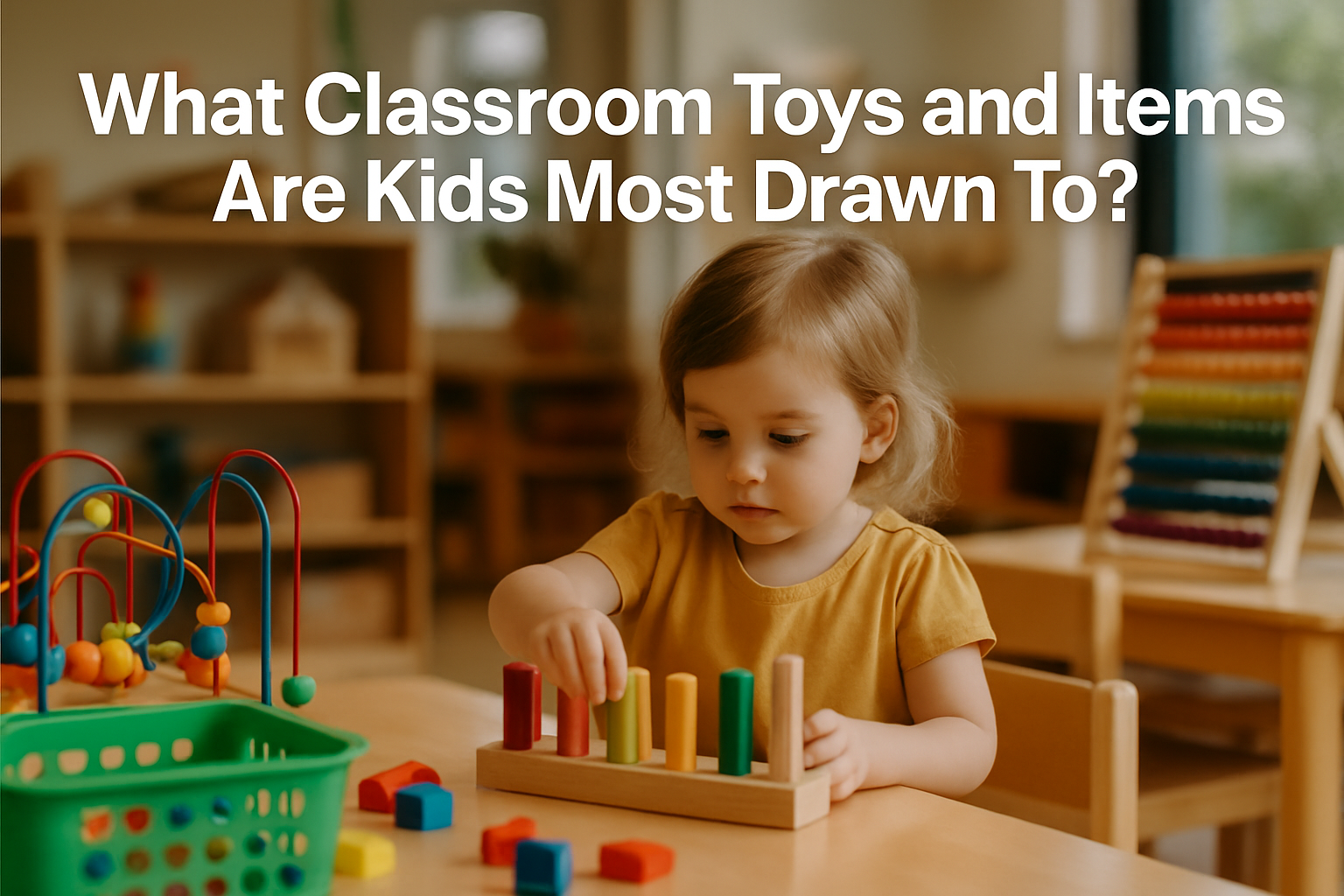
Popular Toys for 4-Year-Olds Types of Popular Toys When it comes to selecti...



When it comes to selecting toys for 4-year-olds, the focus is often on playsets that encourage interactive engagement and stimulate their boundless imagination. Interactive play sets rank high among favored options, allowing children to step into different roles and create their own stories. These toys often include themes like kitchens, workshops, or even doctor’s offices, where little ones can mimic adult activities. Such role-play not only entertains but also aids in developing social skills, emotional understanding, and creativity.
Another highly popular category is building toys. These encourage exploration and engineering skills as children manipulate various shapes to create unique structures. Blocks, magnetic tiles, and construction sets allow kids to delve into the world of design, enhancing their problem-solving abilities while fostering fine motor skills. Furthermore, these toys often cater to collaborative play, promoting teamwork and communication among peers.
Educational products constitute the third main type of popular toys. These items aim to merge learning with play seamlessly, ensuring that children absorb vital skills during enjoyable activities. Examples include puzzles that enhance cognitive abilities and STEM-focused toys that introduce scientific concepts through exciting, hands-on exploration. By selecting toys with educational value, parents can reinforce early math, language, and social skills while keeping their children engaged.
Among the various types of toys, specific types captivate the hearts of children and parents alike. Creative art toys are essential for inspiring artistic expression. Items like coloring books, water painting kits, and crafting materials encourage creativity without excessive mess, allowing for hours of imaginative play. Notably, some art supplies are designed to be reusable, ensuring sustainability while keeping the excitement of creation alive.
Lastly, the value of curated lists of popular toys provides insight into must-have items for 4-year-olds. Recommendations from parents and educators often highlight toys that foster imaginative play, enhance problem-solving skills, and promote social interaction. By focusing on these top-rated toys, parents can make informed choices that align with their child's developmental needs while ensuring hours of fun.
Toys play a vital role in the growth and development of children, acting as tools for exploration and discovery. Engaging with toys not only sparks creativity and imagination but also fosters cognitive growth through play. When children manipulate and interact with various toys, they invent narratives and scenarios, promoting imaginative skills. For instance, building blocks can become castles in a child’s world, allowing them to create storied environments that enhance their storytelling abilities. This kind of imaginative play enables children to express themselves and develop critical thinking skills as they navigate different possibilities.
Moreover, cognitive development is heavily influenced through playful engagement. Toys designed for problem-solving, such as puzzles or brain teasers, encourage children to strategize and think critically. This imaginative interaction is crucial; it allows children to experiment with different outcomes, reinforcing their learning through hands-on experiences. Furthermore, play-based learning has been shown to support information retention, helping children internalize concepts from a young age. Through collaborative play with peers, children also learn essential social skills, such as sharing, cooperation, and empathy, laying the groundwork for better interpersonal relationships in the future.
The positive impacts of learning through play extend far beyond mere entertainment. Research highlights that children who engage in diverse play activities tend to perform better academically, displaying heightened enthusiasm for learning. By integrating creativity into their playtime, children can approach learning in a more holistic context. The way they interact with toys signifies early markers of their problem-solving capabilities and adaptability, skills that are increasingly essential in today's fast-evolving world.
As pivotal as the learning and developmental aspects of toys are, ensuring safety and age-appropriateness cannot be overlooked. Parents often express significant concerns regarding the safety of toys, with many advocating for thorough assessments of materials and construction quality. Toys should be made from non-toxic materials that are safe for children, especially for the younger age groups who are more prone to putting items in their mouths. The importance of safety cannot be understated, as it directly affects not only the degree of joy a child can derive from play but also their overall well-being.
Age-curated toys are an essential factor in creating a safe play environment. Each developmental stage comes with unique needs, and toys need to match those developmental milestones. For instance, infants benefit from sensory toys that stimulate their developing minds, while older children might require toys that encourage strategic thinking and motor skill enhancement. By providing children with age-appropriate toys, caregivers foster an environment where children can explore and learn without unnecessary risks, enhancing their confidence and independence in play.
Extensive product reviews and feedback play a crucial role in making informed choices about toy safety and suitability. Many parents rely on community insights and expert assessments to navigate the overwhelming market of toys available today. From understanding which features contribute to safe play environments to discerning the potential developmental benefits of particular toys, these reviews equip caregivers with the necessary knowledge. Consequently, having access to comprehensive, evidence-based recommendations allows parents to select toys that align with their child's developmental stage while ensuring that safety remains paramount.
Engagement in community discussions often unveils the preferences of parents regarding children's toys. Many parents frequently highlight educational toys within these dialogues. These toys are designed to stimulate cognitive skills and introduce children to important concepts such as numbers, letters, and problem-solving. Specifically, toys that promote STEM (science, technology, engineering, and mathematics) learning are especially popular among parents who value early educational foundations. By encouraging learning through play, these toys not only entertain children but also lay the groundwork for future academic success.
Arts and crafts supplies also receive considerable attention in parent discussions. These materials are praised for their versatility and ability to foster creativity. Parents often share their enthusiasm for providing their children with various art supplies, such as drawing tools, paints, and crafting kits. The vibrant array of colors and textures can inspire imaginative expressions and enhance fine motor skills. Engaging in arts and crafts allows children to explore their creativity while developing critical thinking skills as they determine how to bring their ideas to life.
Moreover, toys that promote emotional intelligence tend to come up often in parent conversations. Playtime is not just about entertainment; it’s also a critical period for children to recognize emotions and learn empathy. Toys that encourage sharing, cooperation, and conflict resolution help children navigate social interactions and build valuable interpersonal skills. These insights gleaned from community discussions reflect a strong parental desire to support holistic child development through thoughtful selections of toys and supplies.
Role-playing games play a significant role in fostering imagination and encouraging engagement among children. When children step into different characters or scenarios, they not only entertain themselves but also develop essential social skills and empathy. Parents note that through role-play, children learn to navigate complex social situations, express emotions, and work collaboratively with others. This type of play is fundamental to the emotional and cognitive development of children, allowing them to process experiences and engage with their surroundings in new ways.
Toys that nurture creativity and development are integral to the role-playing experience. Parents often recommend toys that allow for open-ended play, where children can create their own stories and scenarios. These types of toys stimulate imagination as they empower children to think critically and explore different possibilities. For instance, a simple set of building blocks can transform into anything a child imagines, from a castle to a spaceship. This flexibility not only fosters creativity but also encourages problem-solving, as children must figure out how to construct their ideas.
To further enhance role-playing experiences, many parents advocate for toys that reflect diverse professions and life scenarios. Such toys help children understand and envision different roles in society while sparking conversations about various careers and responsibilities. This exploration through play can lead to greater awareness and aspirational thinking in children. Overall, role-playing games and imaginative toys are recommended by parents as valuable resources in nurturing creativity and supporting a child's developmental journey.
Play is not just a leisure activity for toddlers; it is a vital aspect of their development. Engaging in play allows young children to explore their surroundings, develop social skills, and express their creativity. Through play, toddlers learn to navigate their emotions and interact with their peers, all of which contribute to their overall growth. Research highlights that toddlers who are consistently given opportunities for play tend to exhibit higher levels of cognitive development compared to those who aren’t. As they manipulate objects, engage in role-playing, and explore different scenarios, they build problem-solving skills and emotional intelligence.
Educational toys are especially beneficial for enhancing learning during this critical developmental stage. Toys designed with educational purposes in mind can introduce toddlers to basic concepts like numbers, shapes, and colors in an enjoyable manner. Activities such as sorting games or interactive puzzles not only captivate their attention; they also lay the foundation for future learning. Moreover, educational toys foster independent thinking by encouraging toddlers to experiment, make choices, and learn from the outcomes of their actions. Therefore, selecting toys that stimulate their curiosity and intelligence is imperative for parents who wish to invest in their child’s educational journey.
As we look into the trends for toys in 2026, several themes emerge. A strong emphasis on sustainability and eco-friendliness is apparent, with many toys being crafted from natural materials and non-toxic substances. This reflects a growing awareness among parents regarding environmental impact and child safety. Additionally, there is a notable shift towards toys that promote STEM (Science, Technology, Engineering, and Mathematics) education. This trend highlights the importance of instilling foundational skills in children from a young age, preparing them for a future in an increasingly technological world. With these evolving trends, it is clear that the landscape of toddler play is dynamic, with a focus on holistic development through thoughtful and engaging toys.
When considering the best toys for toddlers in 2026, it's essential to pick those that encourage imagination and foster social interaction. Creativity can be stoked through toys that allow for open-ended play, such as building blocks or art supplies. These toys provide toddlers with the freedom to create their own narratives, which fosters not only imagination but also enhances social skills. When children engage in cooperative play with others, they practice sharing, negotiation, and teamwork. This social interaction becomes paramount as it not only nurtures friendships but also teaches valuable interpersonal skills.
Promoting letter recognition and enhancing fine motor skills are also key factors when choosing toys for toddlers. Toys that include letters or numbers can lay the groundwork for literacy and numeracy by making the learning process fun. For example, letter blocks or magnetic alphabets can engage toddlers in identifying letters and sounds while developing their hand-eye coordination. Fine motor skills can also be nurtured through activities such as painting, threading beads, or simple construction sets. These playful interactions provide toddlers the chance to strengthen their dexterity and control, skills essential for later tasks like writing.
Lastly, toys that teach stacking, counting, and outdoor play should be highly valued. Stacking toys help toddlers learn about balance and coordination while developing spatial awareness. Outdoor play is crucial for physical development, encouraging active lifestyles that counteract sedentary behaviors. Toys like balls, slides, or sandbox sets invite toddlers to engage in social play, further enhancing their cooperation and communication skills. As such, the best toddler toys for 2026 not only entertain but also serve as integral instruments in fostering comprehensive developmental milestones in young children.
When selecting toys for children aged 3 to 5, it’s essential to prioritize educational value and engagement. Toys that stimulate curiosity not only entertain but also help foster essential cognitive skills. During these formative years, children are naturally inclined to explore their environment and learn through play. Therefore, toys that encourage problem-solving, creativity, and analytical thinking are particularly beneficial. For instance, toys designed for counting or pattern recognition can introduce fundamental math skills in a fun way that keeps children interested.
Another critical aspect is the durability of the toys. Children in this age group are often full of energy, and they tend to use toys in active and sometimes rough play. Toys made from sturdy materials that can withstand such use provide peace of mind for parents and caregivers. Furthermore, the ability to create memorable experiences is a significant characteristic of toys within this age range. When children engage with toys that allow for imaginative play or storytelling, they form lasting memories and associations, making the toys part of their emotional development.
Heirloom-quality toys also hold a special place in this category. Such toys are typically made to endure over time and can be passed down to future generations. This longevity promotes sustainability and creates a sense of tradition within families. By investing in high-quality toys, parents not only provide their children with enjoyable experiences but also encourage environmental consciousness by minimizing waste. Thus, educational, durable, and long-lasting characteristics define the ideal toys for young children.
In the realm of toys suitable for 3 to 5-year-olds, a variety of options encourages learning and development through play. Baking sets, for example, not only allow children to enjoy the imaginative aspect of cooking but also introduce concepts such as measurement, sequencing, and cooperation when involved in group play. These sets facilitate the development of fine motor skills, and the interactive nature of these toys can enhance social skills as children often share and collaborate during their playtime.
Role play sets emerge as another excellent option for this age group. They foster creativity and growth by allowing children to virtually step into different roles, whether it's imagining themselves as doctors, chefs, or explorers. This imaginative play is crucial for emotional and social development. By adopting different personas, children learn to express themselves and understand various perspectives. Additionally, building blocks offer a fantastic opportunity for open-ended play. Children can create structures, develop spatial reasoning, and gain a sense of accomplishment through their creations.
Active exploration games are further examples of ideal toys that facilitate physical development. These toys encourage movement, coordination, and overall physical health. For instance, toys that involve balance, throwing, or catching not only provide a good outlet for energy but also help hone essential motor skills. Engaging with these types of toys allows children to understand their own physical limits, enhance their strength, and foster an early appreciation for health and fitness. By selecting a mix of these engaging toys, parents can support the multifaceted development of their children during these pivotal years.
Play is a fundamental aspect of childhood, offering more than just entertainment. It is an essential process for development that integrates learning with fun, enhancing various cognitive skills in children. Engaging in play enables children to explore their environments actively. Toys that combine fun and educational elements promote not only creativity but also critical thinking. For instance, toys designed to stimulate problem-solving or encourage imaginative play can significantly enhance cognitive functions. When children engage with these types of toys, they effectively train their brains to process information, develop memory capabilities, and improve decision-making skills.
Furthermore, the role of active toys in fostering motor development cannot be understated. Movement-based play encourages children to navigate their spaces physically, enhancing both gross and fine motor skills. Toys that require physical interaction, such as building blocks that require stacking and balancing, challenge children to refine their coordination and dexterity. As children stretch, run, or climb, they improve their muscle strength and balance, which is vital for their overall physical health. Active play not only promotes fitness but also aids in the development of spatial awareness and the ability to assess risks in their environment.
Social interaction is another vital component facilitated through play. Engaging toys provide children with opportunities to collaborate, share, and communicate with their peers. This interaction leads to the development of social skills, such as empathy, negotiation, and conflict resolution. When children play together, they learn to understand different perspectives and navigate relationships. Toys that encourage group play or teamwork enable children to practice these essential life skills in a natural setting. The conversations and interactions that occur during playdates or group activities can significantly influence a child's ability to relate to others, laying a foundation for healthy social development. In essence, play serves as a multi-faceted platform for growth, offering children the tools they need to thrive both individually and socially.
When selecting toys for 4-year-olds, it’s essential to find a balance between challenge and enjoyment. At this age, children are developing their fine motor skills, problem-solving abilities, and social skills. Toys that provide the right level of challenge can stimulate these areas of growth while remaining engaging enough to keep their attention. For instance, building sets that require kids to think critically about how pieces fit together can enhance their spatial awareness. Toys that introduce basic concepts of balance and physics can provide a fun avenue for exploration.
Moreover, incorporating elements of fun is vital; children at this age should be able to play freely without feeling frustrated or overwhelmed. An ideal toy should not only challenge them but also provide instant gratification through play. For example, if a puzzle is too complex, a child may lose interest quickly. On the other hand, a puzzle that is just right can lead to a sense of achievement and joy when completed. The key is to observe both the child's interests and their responses to challenges, allowing for guided choices in their toy selection.
Equally important is the variety within challenges. Toys that offer multiple ways to play, such as stacking or sorting games, can adapt to a child's evolving skills. This adaptability keeps playtime fresh and exciting, encouraging creativity and exploration as a child develops. Ultimately, selecting toys that challenge a child while ensuring they have fun will foster both their developmental growth and love for play.
At the age of four, children are naturally curious and eager to explore their surroundings. Toys that promote exploration and learning are crucial in enhancing their cognitive abilities, social skills, and emotional intelligence. Learning through play helps children solidify new concepts and skills that they can carry into their future educational experiences. For instance, science kits that allow children to conduct simple experiments can ignite a love for discovery and help them understand basic scientific principles.
In addition to promoting cognitive skills, educational toys can also aid in developing social skills. Cooperative games that require teamwork show children the value of collaboration and communication. These experiences are not only fun; they are foundational for developing interpersonal skills that will serve them well throughout their lives. Selecting toys that encourage group play can help children learn how to share, take turns, and work together towards common goals.
Moreover, the incorporation of art and music in educational toys can enhance creativity and self-expression. Toys that allow for artistic expression or musical exploration can foster a child's imagination and encourage them to think outside the box. This blend of education and play is essential for holistic development, helping children not only to learn but to enjoy the journey of discovery. When parents prioritize educational toys, they create an environment rich in opportunities for growth and enjoyment, setting their children on a path toward lifelong learning.
Toys play a vital role in the development of preschool-aged children, acting as instruments through which they can explore their environment, develop skills, and engage in imaginative play. One of the most beneficial categories of toys for this age group includes puzzles. Puzzles serve as a fantastic tool for enhancing problem-solving skills. They require children to recognize shapes, colors, and patterns, helping them to develop cognitive abilities. As children manipulate puzzle pieces, they learn to think critically and make connections—skills that are fundamental to their overall development. Additionally, puzzles can come in various forms, such as jigsaw, shape, and wooden puzzles, catering to different skill levels and interests, ensuring that every child can find a challenge appropriate for them.
Building blocks are another highly recommended toy for preschool development that promotes construction and engineering skills. Playing with blocks encourages children to use their creativity and imagination as they experiment with different structures. This type of constructive play not only enhances fine motor skills but also provides lessons in balance, gravity, and spatial awareness. As children stack, arrange, and connect blocks, they are inadvertently engaging in early mathematics and science concepts. Furthermore, this hands-on experience can boost their confidence as they see the tangible results of their creations, fostering a sense of accomplishment and encouraging further exploration.
Role-play toys are pivotal for social development during preschool years. These toys allow children to imitate and enact various scenarios they observe in their daily lives, such as playing house, pretending to be professionals, or reenacting storylines from their favorite shows. Engaging in these activities fosters language development as children articulate their thoughts and feelings, negotiate roles, and develop communication skills with peers. Additionally, this kind of imaginative play aids in the development of empathy, as children consider the perspectives and feelings of others while participating in shared narratives. The social interactions that occur through role-play are invaluable, as they prepare children for future cooperative activities in both academic and social environments.
Creative play is essential in nurturing a child's imagination and cognitive development. Interactive dolls and realistic role-play toys stand out as excellent choices for sparking curiosity and storytelling. These toys encourage children to enact scenarios, fostering social skills and emotional intelligence through imaginative play. As kids navigate virtual worlds or engage in pretend play, they learn to express their emotions and understand different perspectives.
Furthermore, role-play toys can simulate real-life situations. This type of engagement provides immersive experiences where children can learn critical problem-solving skills. For instance, setting up a miniature kitchen or a doctor's office allows children to experiment with responsibilities and roles, enhancing their comprehension of everyday tasks. Parents often report that such toys are not only enjoyable but also serve as tools for teaching important life skills, whether it's cooking, teamwork, or empathy.
In addition to nurturing creativity, these interactive toys often integrate educational elements, making learning seamless and fun. Many parents appreciate how these toys blend play and education, reinforcing concepts like counting, vocabulary, and even cultural awareness through diverse character representations. The right play items can provide invaluable support for a child's growth, making them indispensable in a nurturing home environment.
Outdoor playtime is as essential as indoor creativity. Active play items designed for outdoor use facilitate important physical activities that contribute to children's gross motor skills development. These toys encourage children to run, jump, and explore, which is vital for physical health and coordination. Engaging in outdoor play can lead to improved balance, strength, and overall fitness.
Playing outside also connects children with nature and their surroundings. Items such as climbing frames, slides, and balance beams can transform a yard or park into an adventure zone. These environments spark physical challenges, promoting not just exercise but also resilience as children learn to navigate and overcome obstacles. Parents often emphasize the importance of outdoor play as a buffer against sedentary habits associated with digital screens.
Moreover, outdoor toys can foster social interactions among kids. Many outdoor games and sports promote teamwork and collaboration, allowing children to build friendships and develop communication skills. Engaging in group playtime also enables kids to learn conflict resolution and share, which are critical skills for their overall development. Therefore, investing in outdoor toys equips children with the tools needed to flourish both physically and socially, creating lifelong memories in the great outdoors.
Educational toys play a pivotal role in the development of preschool children. They are specifically designed to stimulate learning and growth during the formative years, opening pathways to essential skills that will benefit children throughout their lives. Engaging children in playful learning not only makes acquiring new knowledge enjoyable but also harnesses their natural curiosity and creativity. The right types of educational toys can significantly foster critical early development areas, such as math, language, and social skills.
One of the primary advantages of educational toys is their capacity to support early math skills. Toys that involve counting, sorting, and basic problem-solving provide young children with hands-on experiences that reinforce number concepts. When children manipulate objects, they engage in tactile learning, which enhances their understanding of mathematical ideas. For instance, counting blocks or grouping colors encourages children to think critically about numbers and patterns, laying a solid foundation for more complex math concepts in later education.
In addition to math skills, educational toys play a significant role in developing language abilities. Toys that promote storytelling, vocabulary building, and phonetics can spark interest in language learning. Books, interactive story-telling devices, and toys that require verbal communication can enhance a child's ability to express themselves and understand language nuances. As children engage with these toys, they are likely to expand their vocabulary and improve their comprehension skills, which are essential for effective communication. Moreover, role-playing toys that foster scenarios encourage children to interact, thus enhancing conversational skills and the ability to convey thoughts and feelings.
Social skills are equally supported through the use of educational toys. Toys that promote cooperative play, such as games that require teamwork or sharing, teach children about collaboration and empathy. When children play together, they learn how to navigate social dynamics, understand different perspectives, and develop important emotional intelligence. This interpersonal interaction is crucial at a preschool age, as it shapes how children relate to others and fosters the foundations of friendship and teamwork. Educational toys that require group participation help cultivate these vital skills, preparing children for future social environments in school and beyond.
In summary, educational toys significantly contribute to the development of preschool children by enhancing their math, language, and social skills. By integrating learning with play, these toys create meaningful experiences that resonate with young learners. As children explore, engage, and interact with these educational tools, they develop the key competencies that will underpin their success in school and life.
Sustainable toys are an essential part of fostering eco-awareness from a young age. Among the various options available, wooden toys made from renewable resources stand out as a prime example of sustainability in playthings. These toys not only provide entertainment but also serve as educational tools, encouraging children to recognize the importance of environmental preservation. By introducing children to wooden toys, parents can instill values that resonate with eco-friendliness and responsibility towards nature.
The appeal of wooden toys extends beyond their sustainability. With their tactile nature and durability, they often captivate children's attention far more than plastic counterparts. Unlike synthetic materials, wood can be a comforting texture that connects children with the natural world. Parents increasingly appreciate the longevity that wooden toys offer—often passed down through generations. This durability reduces the frequency of replacements, leading to less waste and fostering a more sustainable approach to consumption. Such aspects not only promote a healthier environment but also enhance children’s imaginative play, allowing them to engage in more creative and open-ended activities.
Moreover, wooden toys often come in various forms and designs, appealing to diverse developmental stages and interests. From simple blocks that stimulate cognitive growth to more complex construction sets that challenge problem-solving skills, these toys cater to different age groups effectively. As children play, they unwittingly learn about sustainability and the benefits of choosing environmentally friendly products. These positive associations with nature nurture a sense of responsibility in young minds, influencing their future consumer choices. As awareness regarding environmental issues continues to rise, embracing wooden toys becomes integral in shaping a generation that values ecological stewardship.
Dolls and action figures have maintained a significant place in the toy market, evolving to reflect societal norms and interests over time. These toys are more than just playthings; they play a crucial role in fostering imaginative play among children. This imaginative play serves as a foundational component of childhood development, benefiting social skills, creativity, and emotional intelligence. The historical relevance of dolls can be traced back centuries, where they were often crafted by hand and served both as companions and educational tools. Today, the modern versions of these toys continue to captivate young audiences, adapting features that resonate with contemporary themes and narratives.
In recent years, action figures have surged in popularity, driven by their connection to popular culture, such as movies and video games. This connection allows children to engage with their favorite characters, offering a way to enact stories and scenarios from their beloved franchises. These toys ignite a child’s imagination as they create complex narratives based on the characters' traits and adventures. Furthermore, the attention given to the craftsmanship of dolls and action figures now includes diverse representations, reflecting a broader spectrum of identities and experiences that resonate with children from various backgrounds. This inclusivity promotes a sense of belonging and acceptance, enhancing the social play aspect of these toys.
Moreover, the advent of technology has introduced innovative elements such as interactive features and connected experiences. Many action figures now incorporate augmented reality, bringing the play experience to life by connecting to digital apps or devices. This blend of physical and digital play caters to the preferences of today’s tech-savvy children, providing an engaging experience that maintains the essence of imaginative play. Dolls are also evolving, with some integrating mobile connectivity that allows parents to monitor play or engage in storytelling remotely. These trends reflect a significant shift in how children interact with toys, showcasing an ongoing commitment to imagination and play while embracing contemporary advancements in technology.
As societal interests shift, dolls and action figures will likely continue to adapt, pushing forward in both play value and educational relevance. Their enduring popularity underscores the importance of fostering creativity in children as they engage in various forms of play. The toy industry recognizes the necessity of aligning products with the evolving dynamics of childhood experiences, ensuring that dolls and action figures remain at the forefront of captivated young minds.
Outdoor play is essential for children as it fosters physical development, social skills, and creativity. Engaging with the natural environment through outdoor toys encourages kids to explore, move, and grow. Selecting toys that promote active play is vital to stimulating their imaginations while keeping them physically fit. By diving into outdoor activities, children can benefit from ample opportunities to strengthen their motor skills and overall health, while also forming friendships through collaborative play.
When considering outdoor toys, it's important to choose options that actively engage children both mentally and physically. Toys that encourage movement, such as ride-on toys, trampolines, and climbing structures, can effectively promote fitness. For instance, ride-on toys allow kids to enhance their coordination and balance while pedaling or pushing themselves along, leading to improved core strength and agility. These kinds of toys not only foster physical activity but also create opportunities for children to interact with their peers and develop teamwork skills.
In addition to ride-on toys, active play items like water slides, ball games, and flying kites help develop children's motor skills and strength. Water slides can provide a refreshing way to enjoy a sunny day while getting a solid workout. Ball games, whether it's kicking a soccer ball, throwing a basketball, or tossing a football, can improve hand-eye coordination and encourage competitive spirit in a fun way. Flying kites also promotes physical activity, as children learn to run and handle the string, simultaneously enhancing their understanding of wind patterns and aerodynamics.
Moreover, outdoor toys don’t just focus on physical aspects but can also enhance cognitive development. Building toys that require assembly outdoors, like fort kits or building blocks, push children to think critically and problem-solve as they create their projects. Such activities encourage creativity and imaginative play while reinforcing the importance of persistence and patience as children work through their construction challenges. In summary, choosing outdoor toys that promote physical activity, stimulate cognitive growth, and encourage social interaction will create enriching experiences that support well-rounded child development.


Popular Toys for 4-Year-Olds Types of Popular Toys When it comes to selecti...

Popular Toys for 4-Year-Olds Types of Popular Toys When it comes to selecti...