

Which Toys and Activities Keep Toddlers Busy Without Any Screen Time?
The Importance of Educational Toys Understanding child development is a mult...

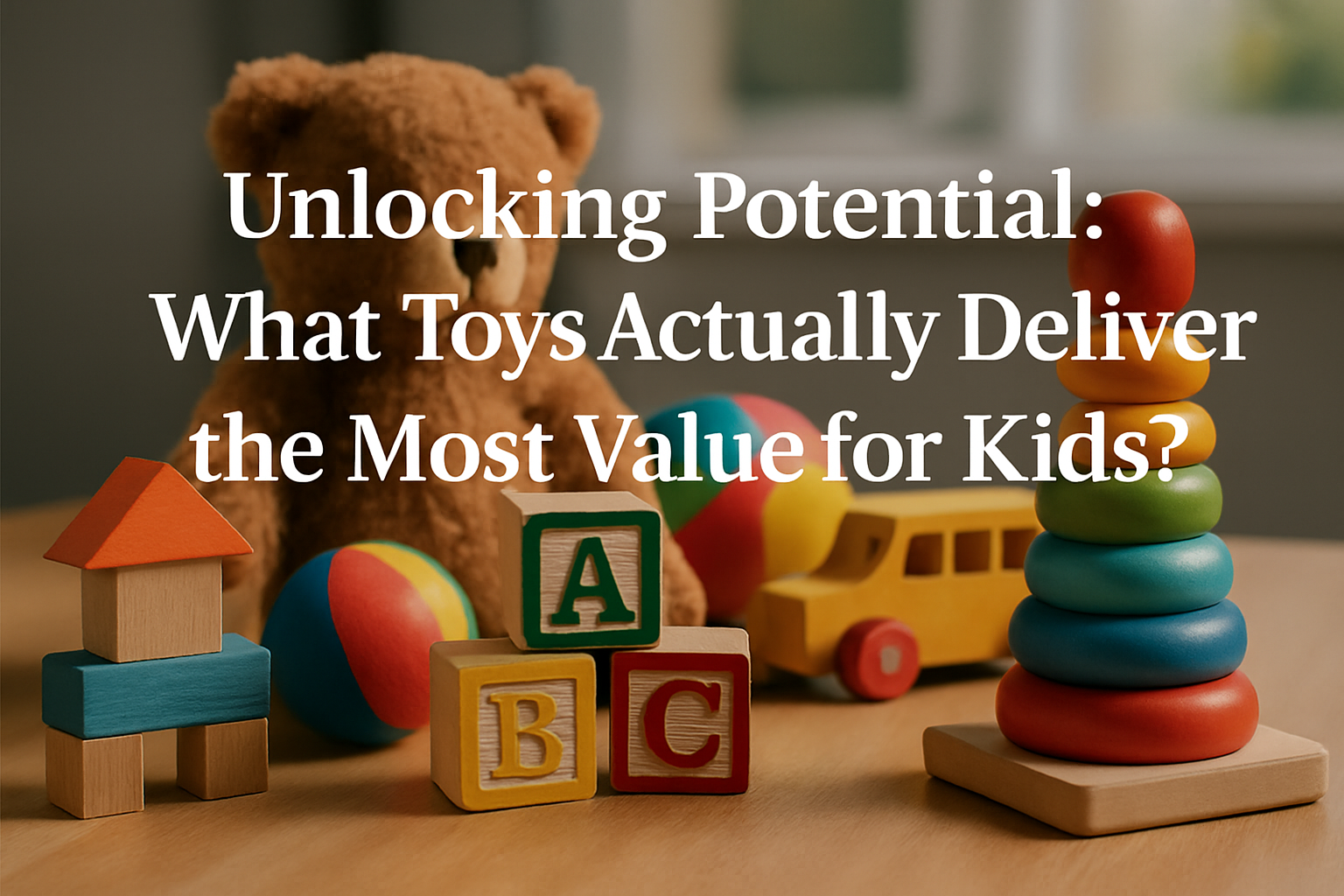

Understanding child development is a multifaceted endeavor, and educational toys play a vital role in this process. These toys are not just about entertainment; they significantly contribute to various aspects of a child's growth. Educational toys foster cognitive, motor, and social-emotional skills, forming the foundation for effective learning and interaction as children grow. Incorporating learning into play allows children to explore their environment, develop problem-solving skills, and engage with peers, thus promoting overall development.
Cognitive development often begins through the simple interactions children have with their toys. Educational toys provide children with opportunities to experience cause-and-effect relationships, which is essential for developing critical thinking skills. For instance, toys that involve building or sorting teach children to categorize and analyze, enhancing their understanding of the world around them. Engaging with puzzles and games encourages children to think strategically, which builds their cognitive abilities. This cognitive engagement is essential as it forms the core of how children learn to process information and solve problems, skills they will use throughout their lives.
The role of toys in developing fine and gross motor skills is just as crucial. Toys that require manipulation, such as blocks, shape sorters, and action figures, help children strengthen their hand-eye coordination and dexterity. As children grasp, stack, and sort these toys, they refine their motor control, essential for tasks like writing, drawing, and self-care later in life. Furthermore, these types of activities can enhance their physical health by encouraging movement and active play. Through simple actions such as pushing, pulling, or throwing, children engage in play that not only entertains but also nurtures their physical growth and development.
In addition to cognitive and motor skills, educational toys serve a significant role in fostering social-emotional growth. Play is inherently social, providing opportunities for children to interact with their peers, express their feelings, and forge connections. Cooperative play encourages children to develop skills such as sharing, empathy, and teamwork, which are essential for emotional intelligence. As they navigate play scenarios, children learn to communicate their thoughts and feelings effectively. This benefits them not only in their interactions with peers but also in building relationships throughout their lives.
Overall, the incorporation of educational toys into a child's playtime is fundamental to their development. These toys serve as vehicles for learning that support various domains of growth, from cognitive to physical to social-emotional. By engaging with educational toys, children explore their environment, develop critical skills, and prepare for future learning, highlighting the immense value that thoughtfully selected toys bring to childhood development.
Toys play a pivotal role in fostering cognitive growth in children. Engaging with various toys helps young ones enhance their problem-solving abilities and gain a better understanding of the world around them. Through play, children encounter situations that require them to think critically, make decisions, and explore solutions. The environment that toys create allows for experimentation, thereby nurturing inventive thinking and adaptability. As children immerse themselves in play, they learn to navigate challenges, leading to cognitive advancements that are essential for their development.
Research indicates that about 90% of playtime involves the use of toys during early childhood. During these formative years, the activities children engage in with toys are fundamental for their cognitive development. Engaging with toys allows children to classify objects, compare attributes, and engage in imaginative play, which cultivates their ability to conceptualize and understand abstract ideas. For instance, when children tackle puzzles, they are not just playing; they are honing their critical thinking and analytical skills. Each piece of a puzzle presents an opportunity for problem-solving, fostering a mindset open to exploration and learning.
Furthermore, toys that encourage symbolic play, such as kitchen sets, significantly enrich cognitive development. These toys enable children to mimic real-life scenarios, allowing them to engage with concepts in a tangible way. Such forms of play promote creativity and social skills as children collaborate, negotiate roles, and communicate in their imaginative settings. By stepping into different roles during play, children enhance their emotional intelligence and learn to understand perspectives beyond their own. Thus, through engaging with toys, children not only bolster their cognitive development but also cultivate essential life skills that will benefit them as they grow.
Engaging in cooperative play is a fundamental aspect of childhood that significantly enhances social skills. Toys designed for group interaction encourage children to socialize and build connections with their peers. During these interactions, children learn to navigate various social situations and develop critical communication skills. Whether they are taking turns, sharing toys, or negotiating roles in a game, each interaction offers valuable lessons that help shape their social understanding.
Cooperative play is essential for teaching teamwork, patience, and empathy among children. As they learn to work together towards a common goal, they experience firsthand the importance of collaboration. This type of play engages children in problem-solving tasks that require them to listen to others' ideas and express their own. In turn, it fosters patience as they wait for their turn or compromise with teammates on how to proceed in the game. Empathy also blossoms during these interactions, as children respond to each other’s feelings and learn to support their friends emotionally. Cooperative play becomes an arena for cultivating these attributes, making social skills not just a secondary benefit but a primary outcome of their playtime experiences.
Moreover, inclusive play promotes diverse interactions and helps reduce stereotypes. When children play together, irrespective of their backgrounds or abilities, they learn to appreciate differences and celebrate individuality. This exposure to diversity in play encourages open-mindedness and cultivates a sense of belonging. Inclusive play experiences give children the opportunity to see other perspectives and make friendships that may not have formed in more segregated settings. This interaction not only enriches their social skills but also empowers them to break down barriers and challenge preconceived notions about others. Thus, the importance of social interaction in childhood development transcends the playground, instilling lifelong values of collaboration, empathy, and understanding.
Toys are a powerful medium through which children explore their creativity and ignite their imaginations. Engaging play with toys allows them to step into roles, craft stories, and envision worlds that extend far beyond their immediate surroundings. This imaginative play is vital in developing cognitive skills and emotional intelligence, providing children with a canvas on which they can paint the stories of their lives.
Open-ended toys, such as building blocks, serve as catalysts for creative thinking. Unlike structured toys that dictate how they should be used, open-ended toys offer limitless opportunities. Children can merge different blocks or other construction elements to create unique structures, fostering narrative creation. When a child constructs a castle today and a spaceship tomorrow, they exercise flexibility in thinking and problem-solving. This adaptability nurtures innovation, a trait that becomes essential throughout their lives. The flexibility found in open-ended play enables children to express themselves creatively, encouraging them to think outside the box and explore new ideas.
Moreover, research shows that simple and classic toys are positively linked to higher creative play scores. These timeless items, often devoid of advanced technology, invite imagination by providing a blank slate. For instance, a basic set of wooden blocks does not come with a defined purpose, allowing children to determine its use. Children can create their own rules, narratives, and stories around these toys, which serves as a fundamental building block in their creative development. The absence of specific instructions or features pushes children to innovate continuously, redefining play each time they engage. In a world where digital distractions are abundant, promoting the use of these classic toys can reinvigorate children's natural inclination toward creativity and imaginative exploration.
Toys serve as a powerful medium for emotional expression in children, facilitating their understanding and regulation of emotions. When children engage in play, they often channel their feelings through the characters and scenarios they create. This allows them to explore their emotions in a safe and controlled environment. For example, a child may use a stuffed animal to represent feelings of sadness or joy, acting out scenarios that reflect their inner world. Through this imaginative play, children can externally express and process complex emotions, which is a foundational aspect of emotional development.
Cooperative play further enhances a child's ability to communicate thoughts and feelings. When children play together, they must share ideas, negotiate roles, and articulate their needs and desires. This interaction promotes language development as they learn to use words and phrases to express their thoughts to peers. For instance, while building a fort together, children must communicate effectively to ensure that their combined vision is realized. This level of interaction not only enhances their vocabulary but also improves their ability to listen, respond, and engage in dialogues, providing a rich linguistic environment that nurtures their communicative abilities.
Symbolic play plays a crucial role in grasping more complex language structures. As children pretend and create scenarios, they are often required to use language in ways that reflect abstract concepts. This kind of play urges them to move beyond literal meanings, encouraging them to understand and utilize language in new and imaginative ways. For example, when a child pretends to operate a restaurant, they learn to use descriptive language, understand the exchanges involved in a transaction, and navigate social interactions—elements that are vital for developing more sophisticated language skills. Through these playful experiences, children gain a deeper understanding of language as a flexible tool for communication, paving the way for lifelong linguistic proficiency.
When selecting toys for children, it's essential to recognize those that significantly foster cognitive skills, problem-solving abilities, and creativity. Toys serve as instruments for learning, offering more than just amusement. For instance, puzzles and building blocks can enhance spatial reasoning and logical thinking, which are fundamental components of cognitive development. Engaging children in problem-solving activities through play stimulates their mind and encourages them to explore various solutions to challenges they face. The process of trial and error allows children to develop perseverance, which is a vital life skill.
Moreover, the role of creativity in child development cannot be overlooked. Open-ended toys, such as art supplies and generic building materials, allow endless possibilities for construction and creation. These types of toys encourage children to express themselves freely and imagine alternate realities. The simple act of creating something from scratch can have profound effects on a child's self-esteem and sense of accomplishment. It fosters not only creative skills but also critical thinking and adaptability—traits that are increasingly valuable in an ever-evolving world.
Open-ended toys also contrast with more structured toys, which may confine play to specific outcomes or narratives. By incorporating a variety of non-prescriptive options into playtime, caregivers can foster an environment rich in exploration and personal expression. This emphasis on open-ended play is particularly relevant in early childhood education, where the focus tends to prioritize imaginative and unstructured play experiences. Ultimately, by understanding the effectiveness and benefits of different types of toys, caregivers can make informed choices that significantly impact a child's developmental trajectory.
Selecting the right toys for children at different developmental stages is essential for nurturing their growth and learning. For infants aged 0-6 months, toys that stimulate the senses are especially important. Infants are naturally curious, and toys that feature bright colors, various textures, and sounds can engage their attention and promote sensory exploration. Soft rattles, plush toys with different materials, and visually striking mobiles can be perfect choices. These items not only entertain but also encourage infants to recognize patterns and develop hand-eye coordination as they reach out and grasp objects. Such early engagement lays the groundwork for more complex interactions, fostering their cognitive and physical development.
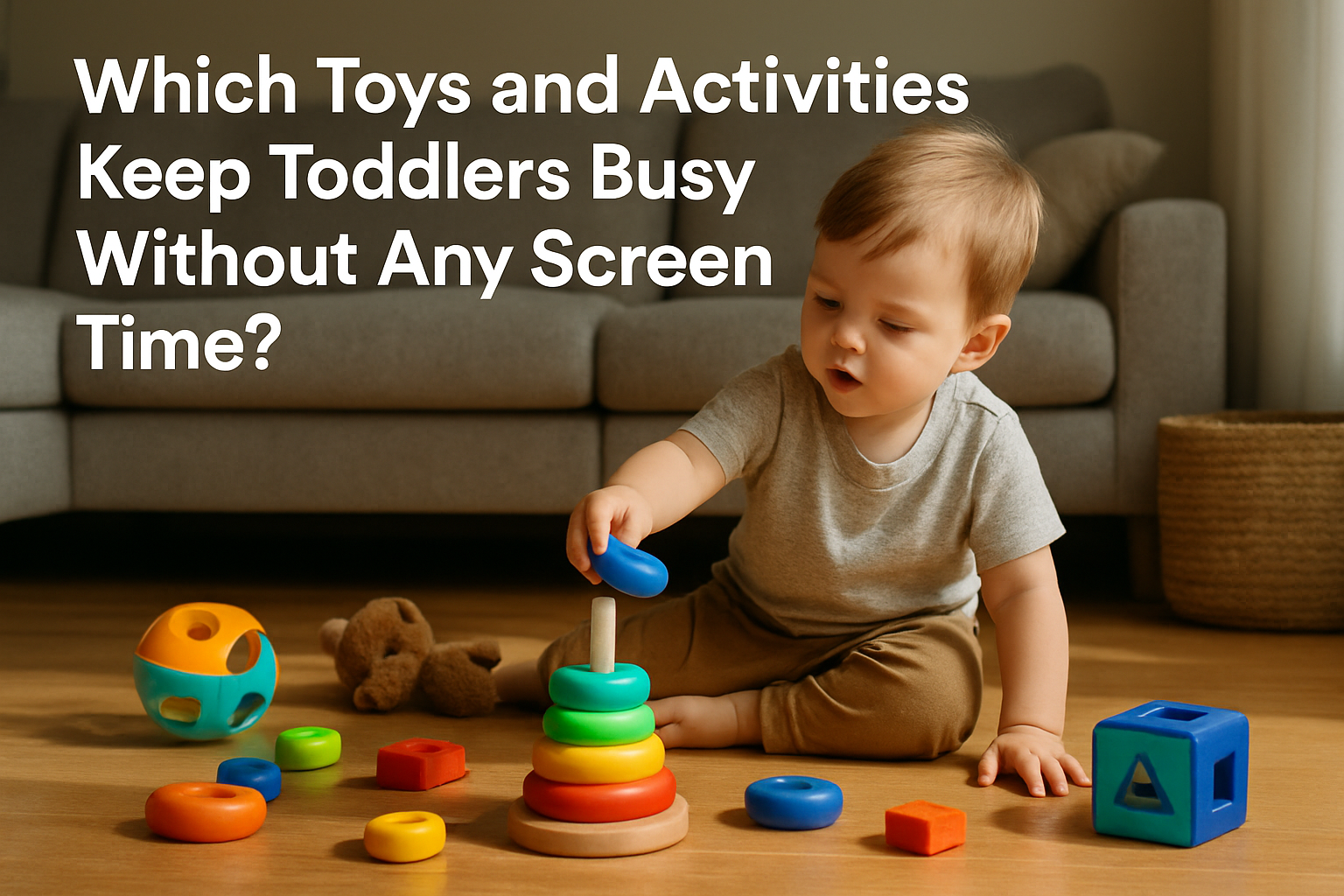
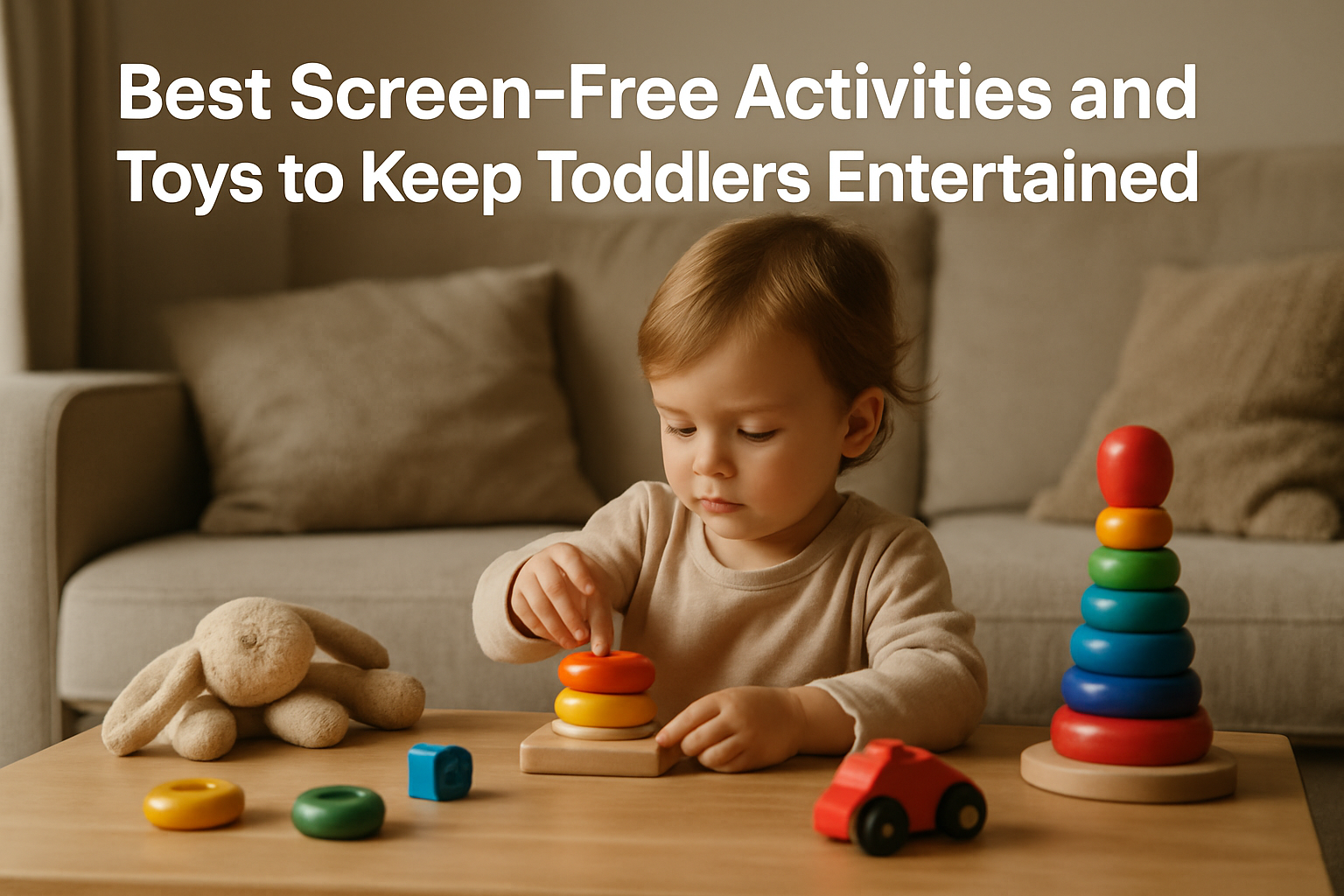
As children transition into the toddler stage (1-3 years), it's important to provide toys that challenge their growing problem-solving skills. At this age, toddlers enjoy toys that can be manipulated, such as blocks, stacking toys, and simple puzzles. These types of toys help enhance fine motor skills while introducing basic concepts of balance and spatial reasoning. For instance, wooden blocks can be used to build structures, allowing toddlers to experiment with concepts such as gravity and symmetry. Additionally, interactive toys that prompt toddlers to engage through cause and effect—like toys that make sounds or light up when pressed—can enhance their cognitive abilities and encourage independent play.
For preschoolers aged 3-6 years, creative toys play a fundamental role in their development, promoting imagination and self-expression. Art supplies like crayons, paints, and modeling clay can provide an outlet for creativity, while pretend-play scenarios with costumes and playsets allow children to explore different roles and narratives. These types of activities are not just fun; they also support language development and social skills as children engage in cooperative play with peers. Furthermore, games and puzzles geared toward this age can advance cognitive skills by introducing new concepts and challenges, thus fostering a love for learning through enjoyable play activities. By providing a range of toys suited for different developmental stages, caregivers can help children thrive both intellectually and emotionally.
Active discovery toys are essential for fostering cognitive growth in children. These types of toys encourage children to engage in hands-on play, promoting exploration and creativity. Unlike passive toys that often require little more than turning them on or pushing a button, active discovery toys stimulate curiosity and problem-solving skills. Educators and child development experts advocate for toys that require interaction, as they tend to enrich learning experiences, making them vital components of a child’s play routine.
A cluttered playroom can significantly hinder a child's ability to make choices, leading to what is known as choice paralysis. When children are overwhelmed by an excess of toys, they may struggle to decide what to play with, resulting in frustration or disengagement. This environment may lead to less meaningful play, as the abundance of options can distract from the cognitive benefits of focused, imaginative play. Streamlining toy selection and reducing clutter creates a more conducive learning environment where children can engage deeply with fewer, more impactful toys.
Rotating a limited number of high-quality toys is a more effective strategy than inundating children with numerous passive options. By providing a curated selection of toys that emphasize active play and learning, parents and caregivers can ensure that children remain engaged and motivated. Regularly changing the available toys sustains interest and encourages kids to approach play creatively every time they explore. This method not only reinforces the value of the toys but also supports ongoing cognitive development as children encounter new challenges and experiences with each rotation.
In essence, the investment in active discovery toys offers significant returns in terms of cognitive development and learning outcomes. Emphasizing quality over quantity leads to a richer, more engaged play experience for children. By understanding the importance of toy selection and the impact of playroom organization, parents can create a nurturing environment that fosters growth, curiosity, and exploration.
Parents play a vital role in identifying which toys effectively engage and inspire their children. Feedback gathered from parents highlights that toys maintaining interest over time are often the most effective. When children repeatedly choose the same toys, it indicates not only a strong engagement but also a meaningful connection with the play experience. This repetitive play fosters deeper learning as children explore the items in various ways, honing their problem-solving skills and creativity.
Moreover, sensory toys and art kits emerged as significant contributors to creativity. Parents observed that when children were provided with toys that stimulated their senses—such as those involving textures, sounds, and visual effects—they became more invested in their play. Sensory toys allow children to interact in a dynamic way, encouraging exploration and self-expression. Coupled with art kits that offer diverse materials and creative options, children are empowered to unleash their imaginations, resulting in enhanced cognitive and emotional development. This buildup of creativity not only entertains but also nurtures critical thinking and promotes emotional intelligence.
Another important aspect noted by parents is the necessity of age-appropriate toys. When children engage with toys suited to their developmental stages, they exhibit higher motivation and engagement levels. Age-appropriate toys not only align with children's abilities and interests but also foster skill-building in a fun and engaging manner. Parents reported that when toys challenge children just enough without overwhelming them, they are more likely to persist in play and exploration. This delicate balance helps sustain interest over longer periods, reinforcing the idea that thoughtful toy selection can significantly impact children’s engagement and learning trajectories.
Recent years have seen remarkable trends in the world of children's toys, reflecting shifting cultural dynamics and varied consumer interests. One notable trend is the growth of the toy audience beyond children, encompassing adults who embrace nostalgia and whimsy, often referred to as 'kidults.' This demographic is not merely an offshoot but a significant market force driving toy manufacturers to create products that appeal to adults. The resurgence of retro toys, collectibles, and hobbyist items illustrates this shift. For many, these toys serve not just as playthings but as sources of comfort and a connection to their past, invoking fond memories and providing a unique form of stress relief amidst the complexities of adult life.
Additionally, the rising demand for low-tech toys has become increasingly evident. Contrary to the high-tech gadgets that dominate the marketplace, many parents and guardians now seek out toys that encourage sensory engagement, creativity, and comfort. The tactile experience offered by items like building blocks, plush toys, and art supplies supports children's developmental needs. Rather than relying on screens and digital interfaces, these toys promote hands-on interaction, imagination, and interpersonal connection. Such an emphasis on low-tech options aligns with an overarching desire for more meaningful, engaging play experiences that foster emotional well-being.
Moreover, the impact of these trends extends to how toys shape social interactions among children and adults. As more families embrace low-tech toys, there is a resurgence of collaborative play. Adult involvement in children's play promotes bonding and emotional growth, while children develop critical social skills by learning to share, negotiate, and collaborate. The integration of these toys into family activities highlights the importance of play as a shared experience, enriching relationships across generations. In this evolving landscape, the emphasis is not just on the toy itself but on the experiences and connections fostered through play, marking a significant transformation in the role toys play in our lives.
Toys play a fundamental role in the emotional development of children, acting as tools for exploration and self-expression. They provide children with a safe space to navigate their feelings while also enhancing their emotional intelligence. Emotional intelligence refers to the capacity to recognize, understand, and manage one’s own emotions, as well as the ability to recognize and influence the emotions of others. This capability is essential for effective communication and social interactions. In the context of play, children can experiment with various emotional scenarios, allowing them to develop a better understanding of their feelings and the feelings of those around them.
One of the most significant ways toys contribute to emotional development is through imaginative and pretend play. This form of play enables children to enact different roles and scenarios, which helps them comprehend and express their emotions more effectively. When children engage in role-play, they often adopt various personas that represent a range of feelings and social interactions. This process allows them to practice empathy and understand differing perspectives, which are vital aspects of interpersonal skills. For instance, a child pretending to be a parent must navigate various emotional situations, ultimately honing their ability to empathize with and respond to the emotions of others.
Moreover, certain types of toys are specifically designed to encourage emotional development by guiding children through their feelings. For example, dolls and action figures can facilitate conversations about relationships and emotions, as children project their own experiences onto these characters. Additionally, games that require cooperation or communication can foster teamwork and highlight the importance of collective emotions. By utilizing such toys, children become more adept at expressing their emotions, understanding social dynamics, and building resilience. This foundational skill set not only supports individual growth but also contributes to healthier relationships in the future.
In summary, toys are invaluable in developing emotional intelligence and enhancing emotional skill sets in children. Through imaginative play and the use of specific toys, children acquire essential tools to navigate their own emotions and sympathize with others. This process lays a critical foundation for effective communication and emotional regulation, ultimately aiding their overall emotional development.
When it comes to acquiring educational toys, parents often evaluate them through a lens of cost-effectiveness versus cognitive value. One fundamental aspect to consider is how affordable educational toys can yield significant cognitive returns. Studies have shown that various low-cost toys can help develop essential skills in children, such as problem-solving, creativity, and fine motor skills. For instance, simple building blocks or art supplies can ignite children’s imagination, fostering not just play but also critical thinking. The key lies in understanding that the educational value derived from these affordable toys often matches, if not rivals, that of more expensive counterparts.
However, the comparative engagement levels between cheaper toys and higher-priced items add another layer to this evaluation. Costlier items may feature advanced technology or unique designs that aim to capture children's attention more effectively. Yet, the intrinsic engagement provided by basic, versatile toys shouldn't be underestimated. Many children are more enthralled by toys that encourage open-ended play rather than those with a single purpose or complex functions. In many cases, affordable options can stimulate a child’s interest over extended periods, promoting sustained interaction that’s crucial for learning. As such, while premium-priced toys may boast eye-catching features, the less expensive toys can offer comparable levels of engagement and educational value, making them viable options.
Additionally, potential biases towards price can lead to overlooking the educational impact of seemingly less impressive toys. It is essential to recognize the play patterns and interests of the child when selecting toys, as these factors significantly influence a toy’s educational efficacy. Toys that align with a child’s current interests or evolving skills can serve as powerful tools for learning, regardless of their price tag. Parents should take time to observe how their children interact with various toys to better understand which items will facilitate learning effectively. Ultimately, when weighing educational value against cost, the focus should be on the cognitive growth opportunities that each toy provides, rather than being swayed solely by price points.
Toys serve as essential instruments for childhood development, significantly impacting various growth facets. Their role is vital in fostering creativity, cognitive abilities, motor skills, and social interactions among children. Selecting toys that properly challenge and engage children can stimulate their imaginations and encourage problem-solving abilities. When children engage with toys that promote exploration and discovery, they develop critical thinking skills that will benefit them throughout their lives.
The selection of toys impacts overall child engagement and learning outcomes. Not all toys fuel the same level of engagement; toys that allow for open-ended play often provide the most developmental value. Items that inspire children to think creatively and use their imagination foster a sense of curiosity, leading them to explore and learn about the world around them. For instance, toys that promote collaborative play can enhance social skills, helping children learn how to cooperate, negotiate, and resolve conflicts.
Parents and caregivers should consider various factors when choosing toys, including age appropriateness, safety, and educational value. Toys that are adaptable and can grow with a child will remain beneficial for longer periods. Seeking out toys that resonate with a child's interests can further ensure that playtime remains engaging. Moreover, quality over quantity is essential; focusing on acquiring a few meaningful toys rather than an abundance of items can create a more enriching play environment. By understanding the dynamics of how toys contribute to development, caregivers can make informed decisions that maximize the value of playtime for their children.
Choosing the right toys for children can significantly influence their development and learning. Value-driven learning toys not only entertain but also foster a range of essential skills. The effectiveness of these toys is rooted in the way they engage children, encouraging exploration and creativity. Certain types of toys stand out in promoting these benefits, making them particularly noteworthy for parents and educators.
Building toys, puzzles, STEM kits, role-playing toys, and art supplies represent some of the most effective categories of value-driven learning toys. Each of these types serves a unique purpose and covers various developmental aspects. For instance, building toys, such as blocks and construction kits, stimulate spatial awareness and problem-solving skills as children manipulate pieces to create structures. Puzzles enhance cognitive abilities as children learn to recognize patterns, shapes, and problem-solve in a hands-on manner. STEM kits, focused on science, technology, engineering, and math, introduce children to foundational concepts in these important fields through experiments and interactive projects.
Role-playing toys, like costumes and playsets, allow children to immerse themselves in imaginative play, which is essential for social development and emotional understanding. These toys encourage empathy as children take on different roles and navigate various social scenarios. Art supplies, ranging from crayons to modeling clay, facilitate self-expression and creativity, allowing children to explore their thoughts and emotions through artistic endeavors. Each of these toy categories not only entertains but also contributes to a holistic learning experience.
In addition to the types of toys, effective toys share several characteristics that enhance engagement and learning. Toys that are open-ended in nature, for example, encourage children to use their imagination and creativity. This freedom fosters critical thinking as children experiment and find multiple ways to play with the same item. Another essential characteristic is durability; toys that withstand wear and tear can be explored more freely, leading to longer play sessions and deeper engagement.
Moreover, effective toys often foster collaboration and social interaction. Toys designed for multiple players can help children develop teamwork and communication skills as they work together towards common goals. These social experiences are foundational for developing interpersonal skills. Ultimately, the best toys encourage active engagement, stimulate curiosity, and promote a lifelong love for learning.


The Importance of Educational Toys Understanding child development is a mult...

The Importance of Educational Toys Understanding child development is a mult...