

Which Toys and Activities Keep Toddlers Busy Without Any Screen Time?
Introduction Understanding the concept of toys that grow with children is es...

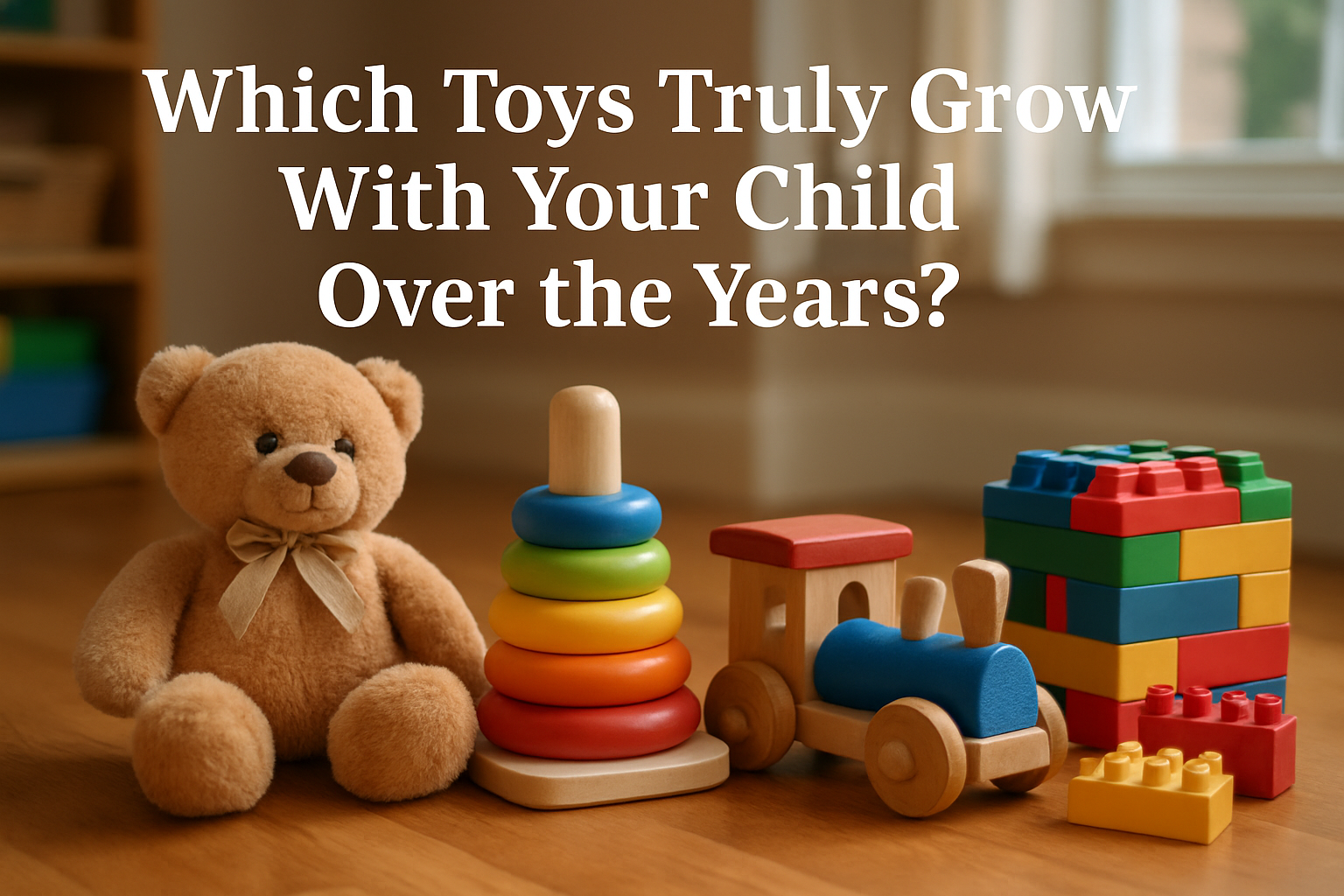

Understanding the concept of toys that grow with children is essential for parents looking to make wise purchasing decisions. Growth toys are those designed with adaptability in mind, allowing them to transition alongside a child's developmental stages. These toys are not only multifunctional but also play a significant role in nurturing various skills and interests as a child grows. By defining growth toys in this context, we acknowledge their importance in promoting lifelong learning and engagement.
The adaptability of children's toys can greatly enhance the overall learning experience. As children develop new skills and reach different milestones, having toys that can adjust to their changing abilities will keep them engaged for longer periods. From basic sensory play in infancy to complex problem-solving at school age, toys that evolve with a child's capabilities can provide continuous opportunities for enrichment and exploration. This flexibility is a foundational aspect of growth toys, making them a valuable addition to any playroom.
Moreover, the benefits of growth toys extend beyond just fun. They support a child's cognitive, emotional, and social development. For example, toys that encourage imaginative play can foster creativity, while those that require logical reasoning can enhance critical thinking skills. Overall, growth toys positively impact children's development by providing them with the tools they need to navigate different phases of life, ultimately promoting a well-rounded learning experience.
Toys are integral to child development, serving as tools for learning, socialization, and creativity. Over time, the significance of toys can evolve, reflecting the varying needs of children as they grow. From simple shapes and colors that introduce infants to visual stimuli to intricate building sets that challenge older children, the journey of play through toys is essential for brain development. Engaging with toys allows children to explore their environment, experiment with cause and effect, and develop fine motor skills, all critical aspects of healthy growth.
Furthermore, toys serve as a conduit for social interaction. During playtime, children often engage with peers or caregivers, learning valuable social skills such as sharing, cooperation, and turn-taking. These experiences help children understand social cues and develop empathy, skills that are crucial for navigating relationships throughout their lives. As such, the right toys can significantly enhance interpersonal skills in children, shaping their future interactions.
In addition to fostering cognitive and social development, toys also provide an outlet for creativity. Many toys are designed to encourage imaginative play, allowing children to create scenarios and roles that stimulate their artistic expression. Activities that promote creativity are not just vital for imaginative development; they also contribute to problem-solving skills and the ability to think outside the box. Engaging with toys that inspire creativity can lead to a more holistic development, equipping children with the necessary tools to face various challenges as they grow.
Adjustable toys are designed to evolve along with a child's developmental stages, accommodating their physical growth and cognitive abilities. These toys typically feature elements that can be resized, modified, or altered in complexity. For instance, some toys may include extensions or movable parts that adjust to suit younger users, as well as components that can be upgraded as children grow older. This adaptability ensures that the toys remain engaging, stimulating curiosity through various interactive levels.
The benefits of adjustable features are manifold. They promote extended playtime by reducing the need for frequent replacements as a child matures. Toys that can change complexity or size also foster an understanding of problem-solving; for example, a basic construction set can introduce foundational concepts of engineering to toddlers, while older children can tackle more intricate designs as they develop spatial awareness and fine motor skills. Ultimately, adjustable toys promote longevity and value, affirming that children can revisit the same toy with fresh perspectives as they gain new skills.
For different age groups, specific types of adjustable toys stand out. Toddlers may enjoy toys that can transform from simple shapes into more complex structures, while school-aged children might prefer sets that allow for more advanced manipulation and creativity. Selecting the right adjustable toy can depend on a child’s current interests and future growth potential, ensuring a cohesive range of engagement over several years.
Multi-functional toys serve several purposes and can be cherished across various developmental phases. Defined by their ability to transform from one form to another or provide multiple play experiences, these toys typically include components like stacking, building, or puzzle-solving capabilities. For example, a toy that can be disassembled and reassembled into different creations can engage a child in imaginative play while also reinforcing cognitive skills.
These toys cater effectively to various developmental stages. Infants, for example, may interact with multi-functional toys through sensory experiences, such as sound and texture. As children grow, the complexity of interaction can increase, introducing them to strategic thinking and creativity that solidifies their understanding of spatial relationships and object permanence. This versatility ensures that as children progress in their capabilities, the toy remains relevant and intellectually stimulating.
Consumer reviews highlight that parents value the longevity and educational benefits of multi-functional toys. As children play and experiment, they are not merely having fun; they are also engaging in learning activities that pave the way for future academic success. The positive feedback from families often emphasizes how multi-functional toys build skills in coordination, critical thinking, and cooperative play, making them a staple in homes while reinforcing their importance in child development.
Modular toys exemplify the idea of versatility in play, allowing for endless configurations and creativity. These toys consist of interlocking pieces that can be manipulated in various ways, encouraging children to design their own structures or experiences. For example, a set may include different shapes that can connect in multiple orientations, fostering spatial reasoning and encouraging experimentation.
Encouraging creativity and problem-solving is at the core of modular toys. As children gain experience in combining pieces, they can develop critical thinking skills and fine motor coordination. This form of play challenges them to think outside the box and enhances their ability to visualize different outcomes based on their manipulations. The act of building and deconstructing their designs not only leads to imaginative play but also lays the groundwork for advanced skills in math and science.
Popular forms of modular toys often feature themes that relate to architecture or robotics, attracting children with interests in construction or technology. These toys not only inspire individual creativity but also promote team collaboration, as children may choose to work together on larger projects, thereby cultivating a sense of teamwork and communication. This functionality adds a social dimension to play, making modular toys a valuable and cherished addition to any child's toy collection.
Selecting the right educational toys is essential for fostering development in children. Timeless educational toys not only cater to various age groups but also play a significant role in promoting skill acquisition and cognitive growth. For infants, soft blocks and simple stacking toys can help develop fine motor skills and spatial awareness. As children grow, toys that involve puzzles and problem-solving require critical thinking and logical reasoning. These foundational skills are essential as youngsters transition into school-age learning, where more complex toys, such as science kits or building sets, stimulate inquiry, creativity, and deeper understanding of concepts.
Furthermore, toys such as musical instruments can encourage appreciation for music while enhancing auditory skills. Incorporating educational toys designed for different developmental stages ensures that children remain engaged, challenged, and continue to learn as they grow. When selecting toys, it is important to consider their durability and versatility, as toys that can be used in multiple ways or adapted to meet increasing challenges can last for many years. Ultimately, these selections not only provide entertainment but also lay the groundwork for critical life skills such as problem-solving, collaboration, and perseverance.
In addition to being age-appropriate, educational toys should encourage a blend of cognitive and emotional development. Toys that promote collaboration, such as group games or interactive role-play scenarios, teach children about teamwork and sharing. These social interactions are vital during early childhood, as they prepare children for their future role in society. Parents and educators should focus on finding toys that foster these skills, alongside the cognitive benefits inherent in skill-building activities, thereby ensuring that the toys play a more holistic role in a child's education.
Artistic and creative toys are vital components of childhood development, encouraging self-expression and creativity. Art supplies such as modeling clay, crayons, and painting tools enable children to explore their imagination and express their feelings visually. Through engaging with different mediums, children can develop their unique artistic styles while practicing essential motor skills. The act of creating art can also have therapeutic benefits, offering children a way to process emotions and experiences during formative years.
Encouraging creativity in children leads to numerous developmental benefits beyond simply producing art. Research shows that fostering creativity can enhance problem-solving skills, as children learn to think outside the box and experiment with different approaches. When children engage in open-ended play with art supplies, they challenge themselves and become more resilient in facing setbacks, such as a painting that doesn’t turn out as they envisioned. This resilience is invaluable in their overall development and can positively influence their academic and personal lives.
Moreover, the importance of creativity extends into academic achievement. Studies have shown that creative thinking can enhance performance in areas such as science, mathematics, and literacy. When children are encouraged to express their creativity through various forms of art, they are more likely to develop innovative thinking skills that apply across disciplines. Parents and educators should prioritize access to artistic and creative toys, recognizing that these tools ultimately nurture well-rounded individuals who are capable of critical thinking and effective communication in their future endeavors.
Growth and transitional toys play a significant role in stimulating cognitive skills during early childhood. These toys are designed to adapt and evolve alongside a child's developmental stages, allowing them to engage in increasingly complex problem-solving tasks. For instance, toys with adjustable features encourage critical thinking, as children learn to strategize based on their growing skills. This adaptability fosters curiosity and creativity, vital components of cognitive development. Additionally, hands-on engagement with these toys can enhance spatial awareness and fine motor skills, providing a multi-faceted approach to learning.
The long-term benefits of sturdy, adaptable toys are also noteworthy. Children who interact with growth-oriented toys often demonstrate improved cognitive abilities as they age. This is because such toys require imagination and initiative, prompting kids to experiment and discover new uses for them. They are not merely passively entertained; instead, children learn to navigate challenges, reflect on their actions, and adjust their strategies. This type of play lays a foundation for lifelong learning, as children develop resilience and an appetite for exploration that continues into adulthood.
Moreover, the versatility of growth toys supports various learning styles. Visual learners may benefit from toys that incorporate colors and shapes, while kinesthetic learners thrive with hands-on, active play. By catering to diverse cognitive needs, these toys promote inclusive learning environments. As children explore and manipulate these toys, they not only gain knowledge but also develop the mental flexibility necessary to tackle new challenges throughout their educational journey.
Growth toys also play a vital role in developing emotional and social skills. They often serve as tools for children to learn social interaction through cooperative play with peers. When playing together, children learn to share, take turns, and communicate effectively. These essential social skills foster confidence and acceptance, allowing children to build relationships with their peers. The more opportunities they have to engage in social play, the better equipped they are to navigate social dynamics as they grow.
Building emotional intelligence is another significant benefit of growth toys. These toys encourage imaginative play, where children can express emotions and explore different scenarios. By role-playing various situations, children not only learn about empathy but also gain insights into their emotions and those of others. This emotional exploration is crucial for helping children articulate feelings and understand complex emotional concepts, laying the groundwork for healthy emotional regulation in the future.
Play with growth and transitional toys also promotes resilience. When children encounter challenges in their play, they learn to approach problems creatively and develop coping strategies for frustration. This experience is critical in teaching them that setbacks are a part of life and that persistence leads to growth. By understanding their emotional responses during play, children can gradually build their emotional toolkit, preparing them for more complex emotional challenges as they grow older.
Investing in growth and transitional toys offers significant economic value for families. While the initial cost may be higher than traditional toys, their adaptability provides long-term savings. Parents can purchase fewer toys as their children grow, reducing the need for continuous buying and disposal. The cost-effectiveness of these toys is not just financial; it translates into prolonged use and enjoyment for children, as these toys are designed to last through various developmental phases.
In addition to individual economic benefits, the sustainability of growth toys contributes positively to environmental impact. By purchasing durable toys meant for extended use, families reduce waste and minimize the trash generated from discarded toys. This consideration supports eco-friendly practices, aligning with a growing consumer trend focused on sustainability. Parents today are increasingly aware of their purchasing choices, opting for products that are not only beneficial for their children but also kind to the planet.
Consumer behavior trends also reveal a shift toward valuing quality over quantity. Families are opting for toys that will provide educational value and promote developmental growth, rather than accumulating numerous low-quality items. This shift reflects a broader understanding of the importance of play in child development. As more parents recognize the multifaceted benefits of growth toys, the market continues to evolve, emphasizing products that are sustainable, adaptable, and cost-effective over time.
Determining if a toy is suitable for a child's age involves understanding developmental milestones and corresponding toy recommendations. Toys designed for older children may pose a choking risk to younger ones, while toys too advanced for a child's age may lead to frustration and lack of interest. Every toy package typically includes suggested age ranges, which help parents assess whether a particular toy is suitable. However, it's essential to use these suggestions as guidelines rather than strict rules, as children can develop at different rates.
Understanding developmental milestones can enrich a parent’s ability to select appropriate toys. From infancy to toddlerhood and beyond, each stage comes with distinct skill development. For instance, infants benefit from toys that promote sensory exploration. As toddlers grow, they might need toys that develop fine motor skills or encourage imaginative play. By being aware of these milestones, parents can choose toys that facilitate skills necessary for their child's current stage of development.
Expert recommendations for age-appropriate growth toys can also aid in making informed decisions. Many child development specialists advocate for toys that challenge children without overwhelming them, ensuring a productive balance between fun and learning. For instance, toys that enhance cognitive abilities or social skills are vital as children enter social settings such as daycare or preschool. Engaging with experts and utilizing resources from early child development programs may provide additional insights to help parents select toys that not only entertain but also support healthy growth and development.
Infancy is a time when sensory exploration is paramount. Toys that engage an infant’s sight, sound, and touch are essential in stimulating their developmental progress. Sensory toys, such as those with bright colors, various textures, and sounds, allow infants to engage with their environment and start to learn about the world around them. When a child grasps a rattle or interacts with a soft toy that emits sounds when squeezed, they are not only entertained but are also developing critical sensory pathways.
In this early stage, motor skill development is another vital aspect that requires attention. Toys designed to encourage reaching, grasping, and holding contribute significantly to an infant's fine motor skills. Items like soft blocks that are easy to grip or plush toys that respond to touch can guide infants through the foundational movements needed for later skills. These toys serve dual purposes by making playtime enjoyable while ensuring that infants are actively working on skills that promote future milestones, such as sitting up or crawling.
Furthermore, the right toys can also assist in the emotional and cognitive development of infants. Toys that create a cause-and-effect relationship, where an action leads to a reaction, help infants understand their power in interacting with their surroundings. The right balance of sensory and motor stimulation not only captivates their interest but also prepares them for more complex play as they grow. This first year of life is a critical period for numerous developmental trajectories, and the right toys can set a strong foundation for growth.
As children transition into the toddler phase, their need for more complex interactions and developmentally appropriate challenges increases. Building blocks stand out as an exceptional choice during this stage. These blocks foster creativity while enhancing spatial awareness. Through stacking, aligning, and constructing, toddlers learn about balance, shape recognition, and problem-solving. Each block added to a structure offers tactile feedback and stimulates cognitive processing, making the playtime both fun and educational.
Additionally, push and pull toys play a significant role in encouraging mobility and coordination in toddlers. During this age, children are naturally developing their walking and running skills. Toys that they can push or pull along as they walk foster confidence in their physical abilities while also enhancing coordination. The act of moving these toys around not only provides exercise but also encourages social play and interaction with peers, thereby promoting the development of social skills alongside motor skills.
Engaging toddlers with toys that challenge them creatively and physically creates opportunities for significant growth. As toddlers navigate various play scenarios, they also learn crucial lessons about sharing and cooperation. It is important to choose toys that allow them to take control of their environment, fostering independence while satisfying their inherent curiosity. The combination of building, moving, and exploring with their toys effectively nurtures their development across multiple domains.
Preschoolers are at a stage where imaginative play flourishes, making it crucial to introduce toys that support this creative expression. Role-playing toys create opportunities for children to explore different life scenarios and emulate experiences, allowing them to experiment with social roles and work on language skills. These toys often stimulate conversations and storytelling, promoting cognitive growth alongside their social development.
In addition to nurturing imaginative play, toys that facilitate problem-solving are vital for preschoolers. Engaging puzzles or games that require critical thinking can sharpen their abilities to strategize and think ahead. When preschoolers are challenged to solve problems on their own, whether by fitting shapes into corresponding holes or figuring out how to balance items, they develop resilience and patience. These skills are foundational as they prepare for more complex tasks in their academic future.
Moreover, playsets that encourage imaginative scenarios can be enriching for preschoolers. Whether they involve constructing intricate towns, playing out activities at a grocery store, or creating narratives with figurines, these sets allow children to explore a range of experiences. Such play not only entertains but fosters emotional understanding and enhances social dynamics, as children often engage in group play. By surrounding preschoolers with toys that inspire creativity and challenge them intellectually, caregivers can significantly contribute to their holistic development during these formative years.
Involving your child in the selection process of toys can make a significant difference in their engagement and enjoyment. Children often have unique preferences and ideas about what they find interesting or entertaining. By encouraging them to express these preferences, you provide them with a sense of ownership over their choices. This not only empowers them but also makes the process of selecting toys more enjoyable. When children feel heard, they are more likely to connect with the toys they choose, leading to longer play sessions and more engaged interactions.
Moreover, discussing the reasoning behind toy choices can enhance this involvement. Take the time to explore the various features that appeal to your child, such as colors, themes, or functionalities. Engaging them in conversations about why a particular toy might be fun or beneficial helps to foster critical thinking skills. This dialogue can also strengthen the parent-child bond, as children appreciate having their opinions valued. Reassuring them about the selection process will not only excite them but will also help cultivate decision-making abilities that are important as they grow older.
Transitioning to the next tip, staying informed about current trends in evolving toys is essential for making mindful purchasing decisions. The landscape of toys is continually changing, with new inventions and concepts emerging regularly. Parents should take time to research which types of toys are gaining popularity. This understanding allows parents to provide children with the most relevant and engaging options on the market. By being aware of these trends, parents can also support their children’s interests more effectively, thereby enhancing playtime.
To navigate this evolving toy landscape, seeking out trusted sources for reviews and recommendations is vital. Look for platforms that specialize in child development and toy analysis. These sources often provide detailed insights into the educational advantages and safety considerations of diverse toy selections. Furthermore, engaging with parenting blogs or communities can offer firsthand experiences from other parents regarding what has worked well for their children. Sharing knowledge in these forums can create a sense of community and support as everyone aims to find the best toys for their kids.
In conclusion, parents should take an active role in involving their children in toy selection and staying informed about the latest trends. This combination will ensure that their children receive toys that not only captivate their interests but also contribute positively to their development. Keeping an open dialogue and relying on reputable information will arm parents with the necessary tools to make thoughtful choices in a world full of toy options.
Growth toys play a pivotal role in the developmental journey of children, fostering creativity, critical thinking, and social skills. These toys not only serve as instruments for fun but also facilitate meaningful learning experiences. As children engage with different types of growth toys, they are encouraged to use their imagination while honing their problem-solving skills. The significance of these adaptable play options goes beyond mere entertainment; they support a child's cognitive and emotional development across various stages of growth. By investing in such toys, parents can provide their children with rich learning environments that adapt as their interests and abilities evolve.
Continued exploration of adaptable play options becomes essential in fostering lifelong learning. As children mature, their interests and developmental needs change, making it important for parents and caregivers to consider toys that grow with them. By selecting toys that can be used in different ways, families can help children develop a diverse set of skills. This adaptability not only keeps playtime fresh and engaging but also instills a sense of resilience and adaptability in children. As they navigate various challenges and opportunities presented by these toys, they learn to embrace change and tackle new experiences to build confidence and independence.
Ultimately, the encouragement to explore diverse and adaptable play options transcends mere toy selection. It nurtures a proactive mindset in children, urging them to seek out experiences that challenge their thinking and foster creativity. Such an approach lays a foundation for continued learning beyond childhood, equipping them with the skills needed to thrive in an ever-changing world. Parents and educators alike should champion the significance of growth toys in promoting interactive and enriching play, reinforcing a commitment to supporting healthy child development through engagement with dynamic play experiences.


Introduction Understanding the concept of toys that grow with children is es...

Introduction Understanding the concept of toys that grow with children is es...