

Which Toys and Activities Keep Toddlers Busy Without Any Screen Time?
Introduction Imagination plays a vital role in toddler development, serving ...

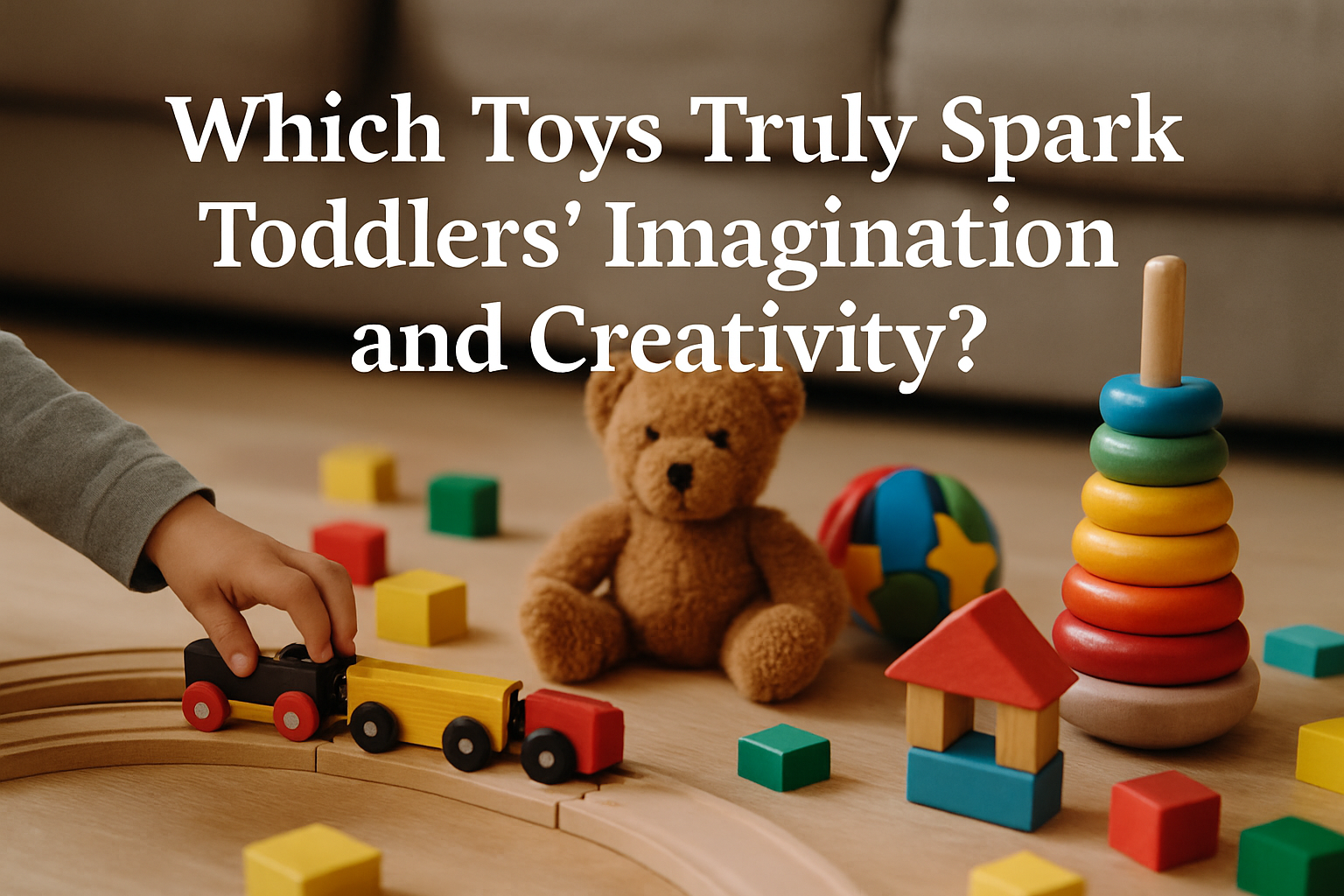

Imagination plays a vital role in toddler development, serving as a gateway to creativity and problem-solving skills. It allows children to explore their surroundings, invent new scenarios, and express emotions in ways that foster cognitive and social growth. Engaging in imaginative play is essential in helping toddlers learn to navigate real-world situations, develop crucial skills, and improve their emotional intelligence. Selecting the right toys can significantly enhance this aspect of their growth, providing opportunities for exploration and creativity.
Choosing toys that actively encourage imaginative play is critical for boosting creativity in toddlers. Open-ended toys, which can be used in countless ways, inspire children to engage deeply with their play. Unlike toys that come with strict instructions or defined roles, open-ended options allow children to create their narratives. As they manipulate these toys, they learn to think critically, express themselves freely, and collaborate with peers, all of which are essential for their development.
Parents and caregivers play a crucial role in selecting toys that will ignite imaginative play. By understanding the types of toys that foster creativity, they can offer their toddlers a rich, engaging play environment. The journey of discovering which toys truly spark a toddler's imagination involves exploring varied options and understanding the profound impact of these toys on a child's cognitive, social, and emotional development.
The purpose of this research query is to identify toys that not only entertain toddlers but also significantly enhance their imagination and creativity. By evaluating various categories of toys, this report highlights key findings from parents, educators, and experts on the types of play experiences that foster creative thinking in young children. It underscores the importance of selecting toys that encourage open-ended play, allowing toddlers to express their creativity without limitations.
The main categories of toys covered in this report include open-ended toys, building sets, imaginative role-play items, art supplies, and everyday household items. Each category plays a unique role in engaging toddlers' creativity through diverse play opportunities. Open-ended toys, such as blocks and fabric, allow for limitless exploration, while role-play kits invite narrative construction, letting children act out their ideas. Furthermore, art supplies enable self-expression through visual mediums, contributing to their overall creative development.
By examining these categories, the report aims to provide insights into the best practices for selecting toys that effectively spark toddlers' imagination and creativity. From understanding the benefits of different types of toys to considering parental feedback and expert recommendations, this exploration seeks to empower caregivers to create an enriching play environment that enhances their toddlers' developmental experiences.
Open-ended toys are those that can be used in a variety of ways, allowing children to use their imagination freely. They are not limited to one particular function or outcome, meaning that a child’s creativity can flourish with minimal guidance. This flexibility is vital for developmental growth, as it encourages toddlers to explore concepts, experiment with different scenarios, and engage in imaginative play. Open-ended toys promote critical thinking and problem-solving, making them essential in a child's playtime arsenal.
The benefits of open-ended play are manifold, especially for toddlers, who are at a crucial stage of cognitive and emotional development. When children play with open-ended toys, they learn to express themselves and develop their ideas without boundaries. They can construct, deconstruct, and reconstruct their thoughts and ideas, leading to enhanced creativity and emotional resilience. Engaging with various toys encourages children to communicate, negotiate roles, and collaborate with others, fostering their social skills in a natural, playful environment.
Moreover, the importance of engagement with various types of open-ended toys should not be underestimated. By interacting with different materials and forms, children can explore their interests and preferences, leading to individualized developmental pathways. This engagement can also help them build confidence as they discover new ways to use their creativity, thus laying a strong foundation for future learning experiences.
Magnetic tiles and blocks are popular choices for children, as they encourage exploration in building and engineering. The inherent magnetic properties of these toys allow for a unique play experience where children can connect pieces in various configurations, fostering an understanding of structural integrity and design. This versatility paves the way for budding engineers, allowing children to experiment and develop spatial awareness and critical thinking skills as they navigate their creations.
Through the play with magnetic tiles and blocks, children learn important concepts related to geometry, such as shapes, symmetry, and balance. As they manipulate these pieces, they not only develop fine motor skills but also a deeper understanding of colors and how they can mix and match visually. This form of play demonstrates how fun and learning can coexist, and encourages a natural curiosity about the physical world.
Furthermore, magnetic tiles and blocks present opportunities for collaborative play, where children can work together on larger projects. This collaboration helps not only in reinforcing their understanding of fundamental engineering principles but also in honing their communication and teamwork skills. The ability to build together lays the groundwork for shared experiences and friendships, essential aspects of childhood development.
Building blocks are a timeless choice when it comes to toys that promote creativity and problem-solving skills. These versatile toys enable children to stack and arrange their components in countless ways, inviting a hands-on approach to learning. Through building with blocks, children learn to think critically by creating structures and evaluating their stability. These experiences can foster a sense of accomplishment, as they successfully overcome challenges while creating and refining their designs.
In addition to creativity, building blocks serve to enhance storytelling skills through play. As children construct, they often embed narratives into their creations, inventing scenarios around their structures. This not only encourages imaginative thinking but also helps with language development as they describe their creations and the stories behind them. Such play experiences can lead to improved communication skills, allowing children to articulate their thoughts and ideas more effectively.
Moreover, the use of building blocks also fosters social interaction. When children play together, they share ideas, negotiate construction plans, and collaborate on projects. This collaboration promotes empathy and understanding, as they navigate different perspectives. Overall, building blocks provide a multifaceted platform for creative expression, social interaction, and cognitive development.
Dolls and figure sets play a significant role in fostering social skills and storytelling abilities in children. As children engage in imaginative play with these toys, they create scenarios that mimic real-life interactions and relationships. Through the act of animating their dolls or figures, children learn to process their emotions and experiences, giving them a safe space to express themselves.
This kind of role-playing allows children to explore different social roles and relationships, as they can enact situations they observe in their everyday lives. Whether it's playing house, school, or superhero, each scenario affords children the opportunity to engage in conversations and negotiation about various roles. This not only promotes emotional intelligence but also aids in the development of communication skills as they verbally express their thoughts and feelings through their characters.
Furthermore, dolls and figure sets can be used to spark discussions about diversity and inclusion. Allowing children to interact with a variety of figures facilitates conversations surrounding gender, race, and identity, preparing them for a more inclusive worldview. By fostering empathy and understanding through play, dolls and figures become vital tools in nurturing a child’s social consciousness and imaginative capability.
Art supplies are essential for encouraging self-expression in children through various forms of artwork. When children have access to materials such as paints, crayons, and clay, they can explore their creativity in a way that feels personal and fulfilling. Art creation allows children to express their feelings and thoughts in a non-verbal way, effectively providing an outlet for emotions they might find hard to articulate.
Moreover, engaging in creative craft projects fosters critical thinking and problem-solving skills. As children experiment with different techniques and mediums, they learn to innovate and adapt their ideas based on their experiences. This hands-on approach nurtures a mindset of exploration, pushing them to discover what works and what doesn’t in their artistic journeys.
Additionally, art can be a social activity, allowing children to share their creativity with peers and family. Collaborative art projects teach the value of teamwork, as they negotiate and share ideas, enhancing their social skills in the process. Overall, art supplies not only serve as tools for personal expression but also as instruments for social development, bridging the gap between individual creativity and community interaction.
Play kitchens and food sets present incredible opportunities for enhancing children's understanding of social interactions. These toys encourage role-play centered around daily life scenarios that children observe in their households. By simulating cooking, serving, or restaurant experiences, children can experiment with social roles and develop a deeper understanding of cooperation and sharing.
This type of play is instrumental in teaching children the importance of communication and social cues. As they interact with peers or family members during play, they learn how to express their needs, negotiate roles, and respond to others in conversation. This not only helps with verbal communication but also instills empathy as they visualize the perspectives of different roles within their make-believe environments.
Moreover, engaging with play kitchens can spark an interest in real-life cooking and healthy eating. As children 'prepare' meals, they may become curious about various ingredients and cooking methods. This curiosity can translate into real-life experiences, leading to conversations about food, nutrition, and the value of cooking as a skill. Ultimately, play kitchens blend fun and learning, fostering creativity while preparing children for social and practical experiences in their daily lives.
Animal figures offer a gateway to a world of imaginative play grounded in nature or fantasy. These toys spark the creativity of children as they build stories and scenarios involving animals. Whether it's a safari adventure or a whimsical gathering in a forest, animal figures help children engage with the natural world and expand their imaginations beyond the limits of everyday life.
By using animal figures, children can explore themes of ecosystems and relationships within the animal kingdom. This interaction not only fosters storytelling skills but also promotes a deeper understanding of environmental concepts. Through play, children can learn about different habitats, animal behaviors, and the importance of nature, all while crafting engaging narratives.
Additionally, the act of creating scenarios with animal figures encourages interaction and cooperation among peers. Children often collaborate in crafting stories, negotiate roles, and share ideas, enhancing their communication and social skills. Such play nurtures a sense of community and friendship as they work together to animate their imaginative worlds. In this way, animal figures serve not just as toys but as tools for learning and social development.
Parents today are increasingly aware of the significant role that toys play in their children's development. Feedback from various discussion platforms highlights a strong consensus around the value of toys that stimulate imaginative play. Many parents emphasize that open-ended toys, which allow for creative use and exploration, are particularly beneficial. These toys encourage children to engage in story creation and role-playing, fostering critical thinking and problem-solving skills. Parent discussions often include anecdotes of how such toys have transformed ordinary play into expansive adventures, greatly enhancing their children’s creativity.
Moreover, parents frequently report that toys which promote cooperative play not only strengthen social skills but also provide a platform for bonding within families. The feedback underscores the importance of selecting toys that encourage interaction, not just solitary play. Many parents express the joy they experience when their children collaborate on complex play scenarios, demonstrating how these interactions can lead to enhanced verbal skills and emotional intelligence. Overall, the insights gathered from parents underline a preference for toys that go beyond mere entertainment and serve as tools for growth.
The feedback also highlights the necessity for toys that accommodate various play styles, ensuring that all children can engage meaningfully. Parents have expressed that having a diverse range of imaginative toys fosters inclusivity during playdates or family activities, allowing every child to contribute to a collective experience. This notion of flexible play is essential, as it adapts to the changing interests and developmental stages of children, making the toy selections far more valuable over time.
Experts in child development consistently advocate for the crucial role of open-ended toys in facilitating imaginative play. They assert that these toys are vital because they do not dictate a singular way of play, which allows children to explore and control their playtime experiences. This freedom contributes to deeper cognitive development, encouraging children to experiment with ideas and concepts while learning through play. Recognizing the fundamental need for independence in learning, experts suggest that parents opt for toys that inspire children to think creatively and make decisions on their own.
Furthermore, child development specialists emphasize the significance of interactive play experiences. They note that toys designed for collective play are essential in building social skills and emotional health. Through shared play, children learn important life lessons such as empathy, negotiation, and teamwork. Experts suggest creating environments that encourage children to collaborate on building projects or engaging in interactive scenarios, as these experiences enrich their social interactions and emotional regulation. The feedback gathered corroborates the professional opinions that encouraging teamwork through play significantly bolsters children's interpersonal skills.
In conclusion, the insights from both parents and experts make it clear that prioritizing imaginative play through thoughtful toy selection can shape a child’s developmental trajectory. The diverse feedback emphasizes a shared belief in the importance of toys that stimulate creativity and interaction while also catering to individual play styles. By leaning into these recommendations, parents can provide their children with enriching experiences that foster creativity, support social connections, and encourage holistic development.
Toys serve as vital tools for cognitive development in early childhood. They stimulate toddlers' brains by encouraging them to process information and solve problems. By engaging with different types of toys, children explore various shapes, colors, and textures, stimulating their senses. As they interact with their environments through play, they develop critical thinking skills. For instance, building blocks can provide opportunities for children to learn about balance and spatial relationships, prompting them to think logically about how to construct secure structures. This form of interaction not only enhances their problem-solving abilities but also promotes a more profound understanding of basic scientific principles.
Additionally, the act of play can introduce children to concepts such as cause and effect. When they experiment with toys that can be manipulated, like those that pour or stack, they begin to understand that their actions can lead to different outcomes. This experimentation is crucial in helping children form hypotheses and develop reasoning skills, leading to a robust cognitive foundation. Moreover, imaginative play can expand their vocabulary as they narrate their play scenarios, deepening their language skills and enhancing their ability to communicate effectively.
In essence, toys act as a gateway for toddlers to engage in learning experiences that are both enjoyable and educational. The cognitive benefits gained from play extend beyond immediate learning; they lay the groundwork for lifelong learning. As children develop these cognitive skills, they become more adept at navigating their worlds, preparing them for the complexities of future academic and social environments.
Creative toys often require interaction, fostering the development of essential social skills. When children engage in group play, they learn to share, take turns, and negotiate roles, which are crucial components of effective social interaction. These encounters not only help children understand the perspectives of their peers but also teach them about empathy and cooperation. For example, when kids participate in role-playing games with others, they navigate different social scenarios that mirror real-life situations, allowing them to practice communication and teamwork.
Furthermore, toys that encourage collective play create opportunities for bonding among children. This bond strengthens their social networks and can lead to the development of lasting friendships. As they collaborate to create shared stories or build together, children experience the joy of collective achievement. This aspect of play teaches them that working with others can often be more rewarding than playing solo, thus reinforcing the importance of collaboration in social dynamics.
In summary, toys that require interaction play a significant role in social skills enhancement. They not only facilitate essential life skills but also create a sense of community among children, preparing them for collaborative environments in school and later in life. Through playful engagement, children learn to navigate complex social situations with confidence and grace.
Creative toys significantly contribute to emotional growth by allowing children to express feelings through imaginative play. Children utilize toys to mirror their experiences, helping them process emotions in a safe and constructive manner. For instance, a child might role-play a scenario where they confront fears or navigate friendships, facilitating a deeper understanding of their feelings. Through this form of expression, children can explore various emotions, such as joy, sadness, or frustration, without judgment or fear.
Moreover, toys that promote imaginative play often encourage children to express themselves verbally and non-verbally. By embodying different characters and scenarios, they expand their emotional vocabulary and learn how to articulate their thoughts and feelings comprehensively. This practice builds emotional intelligence, which is crucial for understanding oneself and connecting with others on a deeper level. The ability to communicate one's feelings effectively can significantly affect future relationships and mental health.
In essence, creative toys serve as vehicles for emotional exploration. They allow children to navigate complex emotional landscapes and build resilience, which is vital for managing the ups and downs of life. By fostering an environment in which creativity and emotional expression are encouraged, toys contribute to healthier emotional development in children.
Toys that foster self-expression are integral to meaningful play. By offering children the tools to express ideas and emotions creatively, these toys can enhance their confidence and identity formation. Play provides a safe space for children to illustrate their thoughts and feelings, whether through storytelling, art, or imaginative scenarios. This creative outlet encourages them to think independently and cultivate their unique perspectives.
Furthermore, engaging in role-play or using creative materials allows children to create narratives that reflect their understanding of the world. They can explore various roles, challenging societal norms and expectations. This engagement supports the development of critical thinking as they examine different perspectives and consider alternative outcomes in their play. Consequently, it enhances their ability to innovate and reimagine reality.
In summary, toys that promote self-expression play an essential role in encouraging innovative thinking among children. They instill a sense of autonomy and creativity, empowering children to engage with their surroundings meaningfully. Ultimately, this engagement promotes personal growth and lifelong learning, equipping children with the skills needed to navigate their ever-changing world.
Creative play is essential for child development, offering numerous benefits that can significantly enhance a child's learning experience and overall growth. Engaging in creative play supports both creativity and imagination, allowing children to explore and express their unique ideas freely. This type of unstructured play encourages them to think outside the box, developing problem-solving skills and innovative thinking at an early age. By imagining different scenarios or roles, children learn to navigate complex social dynamics and develop their storyline-building skills, which are foundational to effective communication later in life.
Beyond fostering creativity, creative play enhances sensory exploration in children. Through activities that involve touching, seeing, hearing, and manipulating various materials, children develop their sensory awareness. This exploration helps them to understand the world around them better. For instance, experimenting with different textures, colors, and sounds can lead to discoveries about how these elements interact and influence one another. Such sensory activities are not only fun but also vital for cognitive development, enabling children to form connections and learn through experience.
Emotional expression is another key benefit of creative play. This form of play gives children a safe outlet to express their feelings, whether they're joy, frustration, or curiosity. Role-playing different scenarios allows them to explore their emotions in a controlled environment. For example, pretending to be a doctor or a teacher lets kids process their experiences and feelings regarding healthcare or education, respectively. This emotional engagement is crucial for developing empathy and resilience, teaching children how to relate to others while also understanding their own emotions.
For parents and caregivers, introducing quick and easy creative play activities can significantly enrich children's daily routines. There are countless ways to stimulate creativity through simple setups that require minimal preparation. One effective approach is to encourage art projects using materials readily available at home. Simple supplies like paper, markers, and recyclable materials can lead to endless imaginative possibilities. For instance, children can create collages, draw their favorite characters, or construct models using everyday items. This type of engagement can be a source of joy and learning while also allowing for parental involvement, enhancing the bonding experience.
Another valuable activity is storytelling. Families can create stories together, where each member contributes a line or a character, prompting cooperative creativity. This not only fosters imagination but also strengthens family connections. To make it even more engaging, consider introducing props or costumes from around the house. Such elements can enrich the storytelling experience, making it more dynamic and visually stimulating. This simple act encourages children to think creatively while enhancing their narrative skills and communication abilities.
Finally, nature-inspired activities, such as scavenger hunts outdoors, can spark creativity. By encouraging children to find items like leaves, rocks, or flowers, you allow them to explore their environment artistically. Once collected, these treasures can be used in crafting or storytelling. This multifaceted approach combines exploration with artistic expression, promoting both physical activity and imaginative play. Overall, the simplicity and accessibility of these activities make them perfect for integrating into everyday life, fostering a foundation of creativity that will benefit children well into their future.
Play serves as a mirror reflecting the cultural norms and values of the societies from which it originates. It is not merely a means to pass the time; instead, it is deeply intertwined with the fabric of cultural identity. Through imaginative play, children explore social roles, ethics, and community relationships that are valued by their culture. For example, in some cultures, play may emphasize cooperation and collective success, while in others, it may promote individual achievement and competition. The content of play often draws from cultural narratives, traditions, and social structures, providing children with a means to internalize and express their understanding of the world around them.
Additionally, cultural variations manifest in the themes and characters children engage with in play scenarios. In cultures where storytelling and oral traditions are prominent, for instance, children may reenact tales that convey moral lessons or historical events. Such play not only educates but also reinforces a sense of belonging and continuity within the community. Therefore, understanding the cultural context of play is essential in recognizing how children learn to navigate their social environments and form their identities.
Moreover, adults in different cultural settings may influence children’s imaginative play through the types of toys available and the activities encouraged. Some cultures value structured play that incorporates educational elements, while others may prioritize free play that fosters creativity and self-expression. Ultimately, the intersection of play and culture provides a rich landscape for children to explore not only their individual identities but also their roles within a larger societal framework.
The importance placed on play varies significantly across cultures, with some societies viewing it as essential for development, while others may perceive it as secondary to educational pursuits. In cultures that prioritize holistic development, play is often recognized as a vital component of learning. In these societies, imaginative play is integrated into everyday life and is seen as an essential vehicle for cognitive and social development. Here, children are given the freedom to engage in imaginative scenarios that not only foster creativity but also strengthen social bonds and communication skills.
Conversely, in certain cultures, there is a prevailing notion that play should be limited, with a stronger emphasis placed on formal education and academic achievement. In these contexts, children's time may be strictly allocated to studying or chores, leaving little room for imaginative exploration. This perspective can lead to a more structured environment where play is viewed as a luxury rather than a necessity. This dichotomy illustrates how cultural values shape not only attitudes toward play but also the opportunities available for children to engage in such activities.
Furthermore, the advent of globalization has impacted traditional views on play, leading to an amalgamation of practices across cultures. As children from diverse backgrounds interact, they may adopt elements of each other’s play styles, leading to enriched and hybrid play experiences. However, this blending can also result in tensions as some cultures strive to preserve their unique play practices against a backdrop of homogenization. Thus, recognizing these variations and the ongoing dialogue between tradition and modern influences is vital for understanding the evolving nature of imaginative play in a globalized world.
The exploration of imaginative toys has revealed a range of options that stand out as particularly effective in encouraging creativity among children. One notable category is open-ended construction toys, which allow children to build anything they can imagine. These types of toys foster innovation as kids engage in problem-solving, creative thinking, and spatial awareness. Additionally, role-playing toys enable children to simulate real-life scenarios, enhancing their storytelling abilities and empathy as they explore different perspectives. The findings emphasize the importance of incorporating such toys into playtime to stimulate cognitive growth.
Furthermore, sensory toys, which encompass a variety of textures, colors, and sounds, play a significant role in the creative development of young minds. These toys not only engage children’s senses but also inspire their imagination, leading to exploration and experimentation. Engaging with different sensory inputs allows children to express their ideas and feelings, further asserting the role of imaginative play in emotional development. By integrating sensory elements into toy design, manufacturers can enhance the interactive experience for children, ultimately benefiting their creativity.
Lastly, the social aspect of play cannot be overlooked. Many of the most effective imaginative toys promote cooperative play, allowing children to engage with peers. Collaborative activities involving imaginative toys lead to shared experiences that foster teamwork, communication, and conflict resolution among children. As they negotiate roles and ideas during play, kids develop essential skills that extend beyond the toy experience. Overall, these key findings underscore the vital role of imaginative toys in nurturing creativity and social abilities in children, providing a robust foundation for their development.
Exploring how toys influence child development is an enriching endeavor that offers insights into the intricate relationship between play and growth. Numerous educational resources and articles delve into this subject, providing valuable perspectives for parents, educators, and researchers. One of the key areas of exploration is the role of different types of toys in fostering cognitive, social, and emotional skills in children. For instance, literature often emphasizes the importance of open-ended play and the benefits of toys that stimulate imagination and creativity. This can lead to a better understanding of how unstructured playtime aids in problem-solving and critical thinking abilities, fundamental skills in a child’s development.
Furthermore, behavioral studies highlight the tactile and sensory experiences that toys provide. Educational articles detail how certain toys can enhance fine motor skills and improve hand-eye coordination. Engaging with blocks, puzzles, or art supplies encourages children to develop coordination and spatial awareness. These resources often feature recommendations on selecting age-appropriate toys that align with developmental stages, ensuring that parents and caregivers have the right tools to support learning through play. This guidance empowers adults to make informed decisions that can optimize their children's developmental experiences.
Additionally, many articles touch on the social aspects of play, showcasing how interactive toys or group activities can foster socialization and emotional intelligence. Engaging with peers through cooperative play teaches children negotiation skills and empathy, which are crucial for their overall social development. By reading through various studies and expert opinions, readers can gain a broader understanding of how play dynamics function, emphasizing the significance of social interactions in a child’s formative years. This knowledge enables caregivers to cultivate environments that promote healthy development through play, fostering lifelong skills in their children.

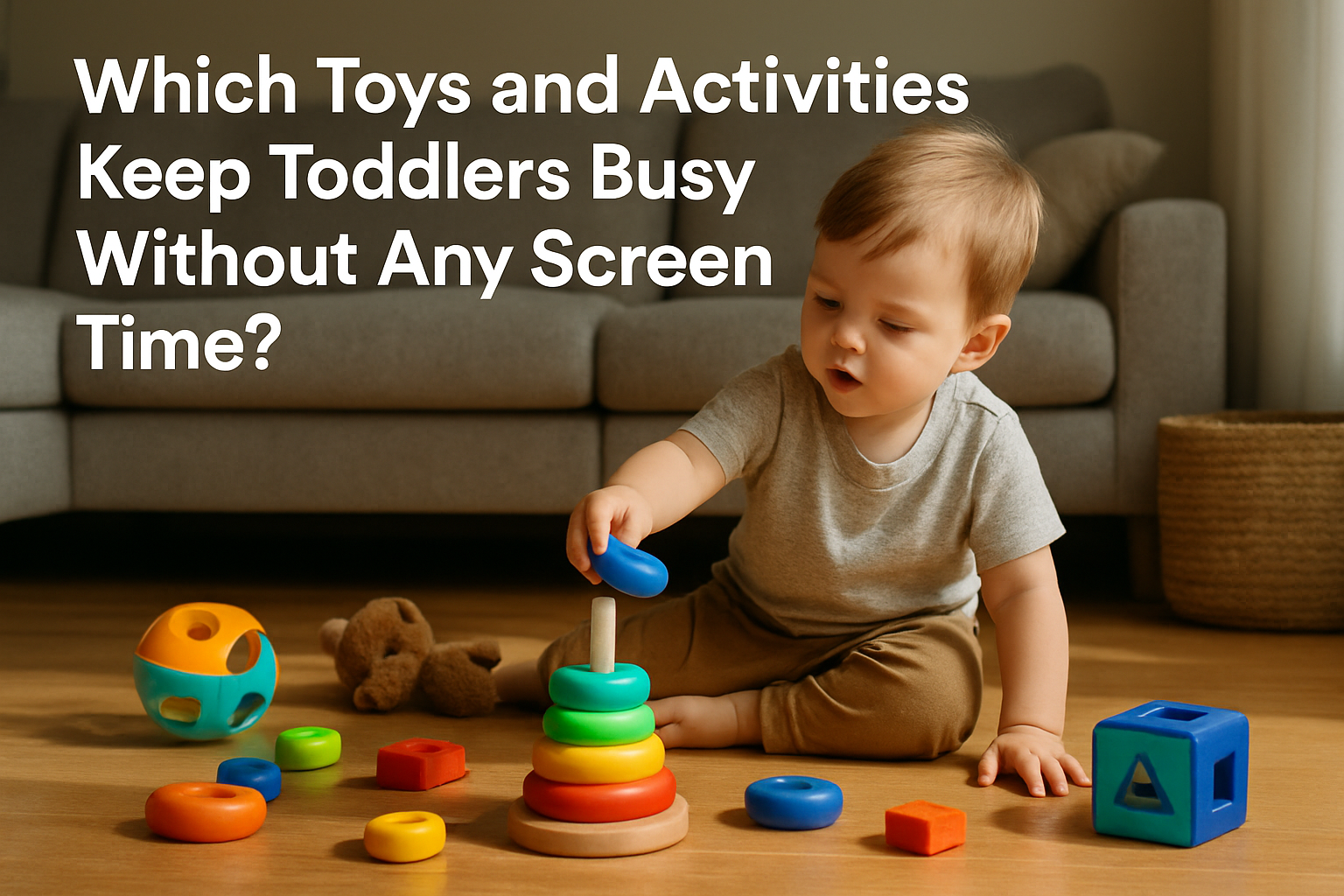

Introduction Imagination plays a vital role in toddler development, serving ...
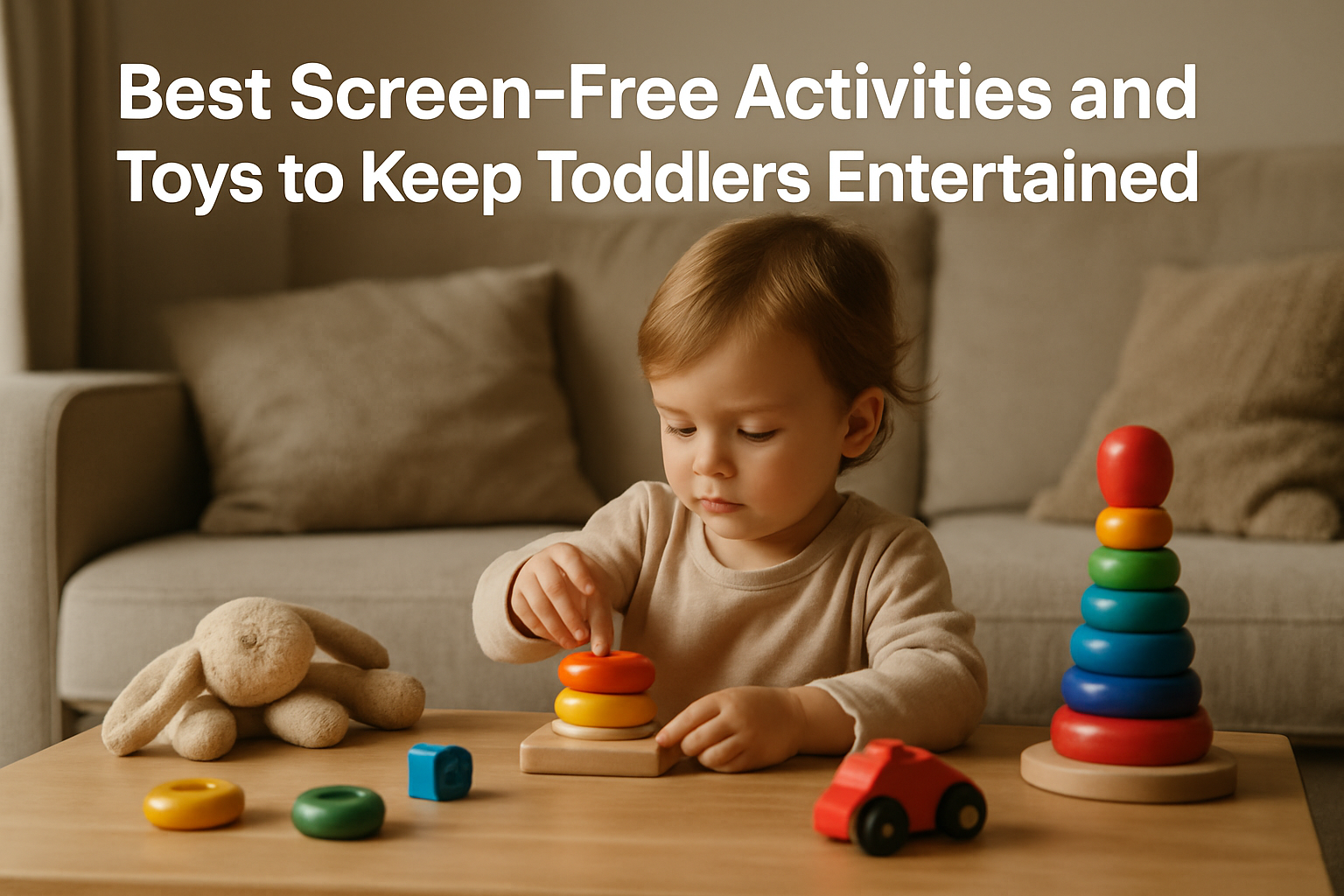

Introduction Imagination plays a vital role in toddler development, serving ...